
Vacuum Casting China — Robot Enclosure Covers, Prototype RFQ
When should I use vacuum casting China instead of an aluminum enclosure or CNC prototype RFQ? Use urethane vacuum casting (CNC master → silicone → cast) for cosmetic robot covers and soft-touch shells in the ~10 to a few thousand band without steel tooling. Route metal housings to aluminum enclosure China, CNC prototype China, small-batch CNC China or humanoid robot enclosure China, then Upload STEP on /contact/ — usually one working day.
Updated 2026-11-06 · 2nd pass · AEO FAQ D0 vacuum flank · Services hub · Vacuum casting vs CNC
Vacuum casting China — robot enclosure covers, when vs CNC, answer first
When vacuum casting vs CNC: choose urethane vacuum casting (CNC master → silicone → cast) for cosmetic robot enclosure covers, soft-touch grips and color-matched shells in the ~10 to a few thousand band; keep CNC for tight-tolerance interfaces, bores and metal/engineering-plastic one-offs. Everoyal’s Suzhou factory (est. 2017; 10,000 m²; ~80 staff; 50+ machines) runs both on one site — Upload STEP on /contact for a prototype RFQ.
Buyers searching vacuum casting China for robot cover or enclosure work usually need production-look urethane shells without paying for an injection tool, and without machining every painted cover. Dedicated metal RFQ landings: aluminum enclosure China, CNC prototype China, small-batch CNC China, humanoid robot enclosure China. Sister metal hubs: aluminum CNC enclosure China and CNC machining China. Bridge routes: rapid tooling China, 3D printing China. Robot programs: humanoid robot parts China, humanoid robot enclosures, robotics. Hub: services.
Vacuum casting wins
Tens to a few thousand cosmetic or soft-touch covers — silicone tooling from a CNC master, no steel tool yet. Painted body shells and matched colors.
CNC still owns
Tight interfaces, bores, structural metal and one-offs in engineering plastics. Hybrid common: cast the shell, post-machine mating faces.
Upload STEP for RFQ
Attach STEP / IGES / PDF on /contact (2 files, 4 MB each) with qty, resin/Shore, color and need-by — usually one working day.
When vacuum casting wins vs CNC and injection
The right route is a volume and duty decision, not a preference. Use this split when you are comparing a China vacuum casting manufacturer against machining or molding quotes.
| Situation | Prefer vacuum casting / RIM | Prefer CNC | Prefer injection molding |
|---|---|---|---|
| Quantity | ~10 to a few thousand | 1 to low tens, or ongoing low volume in metal/engineering plastic | Volumes that pay for the tool |
| Part duty | Cosmetic covers, soft-touch, color-matched shells, robot enclosures | Tight-tolerance interfaces, bores, structural metal | Repeat production in thermoplastic |
| Tooling | Silicone (or epoxy/aluminum for RIM) from a machined master | None — cut from stock | Steel or aluminum production tool |
| Lead-time driver | Master + first mold, then repeat pours | Machine time per piece | Tool build, then cycle time |
| Change cost | New master and remold if geometry freezes late | Often a new program only | Tool rework or new tool |
A common hybrid: cast the cover, then machine mating faces and mounting holes after cure so shrinkage does not land on the interface. That hybrid is easier when casting and CNC share one Suzhou base.
What this vacuum casting China page covers — and what it does not
This landing is for urethane vacuum-cast and RIM robot enclosure covers and cosmetic shells. It is not the page for billet aluminum CNC housings — those stay on aluminum machining China / CNC machining China. Injection molding wins only when volume pays for steel tooling; use rapid tooling China when you are ready to bridge into molds.
Cosmetic body / limb shells
Humanoid and service-robot painted covers, limb shells and matched-color skins cast from silicone molds taken off a CNC master.
Soft-touch grips & details
Elastomer grips, bump stops and overmolded pads — Shore A resins beside rigid ABS-like shells on the same program.
Larger RIM structural skins
When a cover outgrows a silicone mold, reaction injection molding (RIM) at the same Suzhou base carries larger structural skins at low volume.
vs CNC metal housings: cast covers for cosmetics and soft-touch; machine metal for tight interfaces and load paths — see aluminum CNC enclosure China. vs injection: vacuum casting / RIM until volume amortizes a steel tool. Hybrid common: cast the shell, post-machine mating faces. Program hubs: humanoid robot parts China · humanoid robot enclosures · robotics.
What to send for a China vacuum casting / robot cover quote
A STEP without qty band, resin/Shore, color and need-by is not a price you can order against. Fill the rows below with the upload.
| Item | Preferred callout | If missing |
|---|---|---|
| 3D + critical 2D | STEP / IGES + PDF with cosmetic faces and mating lands marked | No reliable mold split or finish plan |
| Qty band | ~10 / 50 / 200 / 1,000+; remold expected or not | Tool life and piece price stay open |
| Resin / Shore | ABS-like Shore D, elastomer Shore A, transparent, filled FR | Quoted as generic rigid, then re-quoted |
| Color / Pantone | Pantone, RAL or physical sample for cosmetic covers | Quoted natural/white; color added later |
| Texture / paint | As-cast, texture, paint, soft-touch topcoat | Finish stays open; lead time moves |
| Post-machine mating faces | Which faces/bores need CNC after cast | Shrinkage may land on the interface |
| Master material | ABS, aluminum, or other stock for the CNC master | Master route and polish time stay open |
| Need-by | First-article date; batch ship week; FOB / CIF / DDP | Schedule and freight stay open |
Prefer STEP over a locked ZIP. See also RFQ checklist, what we need to quote a robot shell, how to RFQ a China manufacturer and contact.
IP / sealing — honest boundary
If the drawing calls for gasket grooves or sealing lands, Everoyal casts or post-machines them to the drawing. We do not claim IP67 certified (or any IP/EMI “certified” label) for vacuum-cast robot enclosure covers. Assembled enclosure rating stays with the buyer’s system design and test lab.
Factory facts: at a glance · metal housings when you need billet CNC: aluminum machining China.
Small-batch vacuum casting from Suzhou
Suzhou Everoyal Precision (est. 2017; 10,000 m²; ~80 staff; 50+ machines) builds custom parts to drawing. Vacuum casting and RIM sit beside CNC machining, five-axis gantry work, sheet metal, 3D printing and rapid tooling — so a robot enclosure program can keep masters, cast shells and machined inserts on one site.
Silicone molds from CNC masters
The master is machined and precision polished here, then measured before a mold is taken. Mold quality follows pattern quality.
Soft or hard resins, color tunable
ABS-like rigid, soft elastomer, transparent and filled options. Color matched to the sample you send; soft-touch details can share a program with rigid shells.
~10 to a few thousand parts
Casting and rapid tooling bridge prototype to molded volume. A silicone mold is remade from the same master when copy count is exhausted.
Robot enclosures and covers
Urethane casting for cosmetic body covers and limb shells; RIM for larger structural enclosures that are too big or too low-volume for conventional tooling.
CMM reports with the parts
Critical dimensions are checked; reports travel with the shipment so receiving inspection has a paper trail.
FOB, CIF or DDP
International shipping quoted to the Incoterm you need. Sales contact: sales@everoyalprecision.com.
Process steps from master to batch
Full process context: prototype workflow. Surface treatments: materials and finishing. Related overview: vacuum casting & RIM.
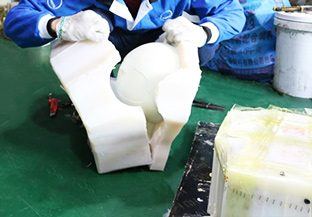 Machined master pattern with its mold halves
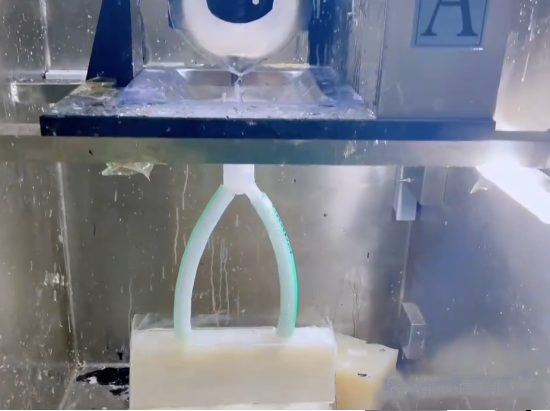 Silicone mold cured in the casting frame
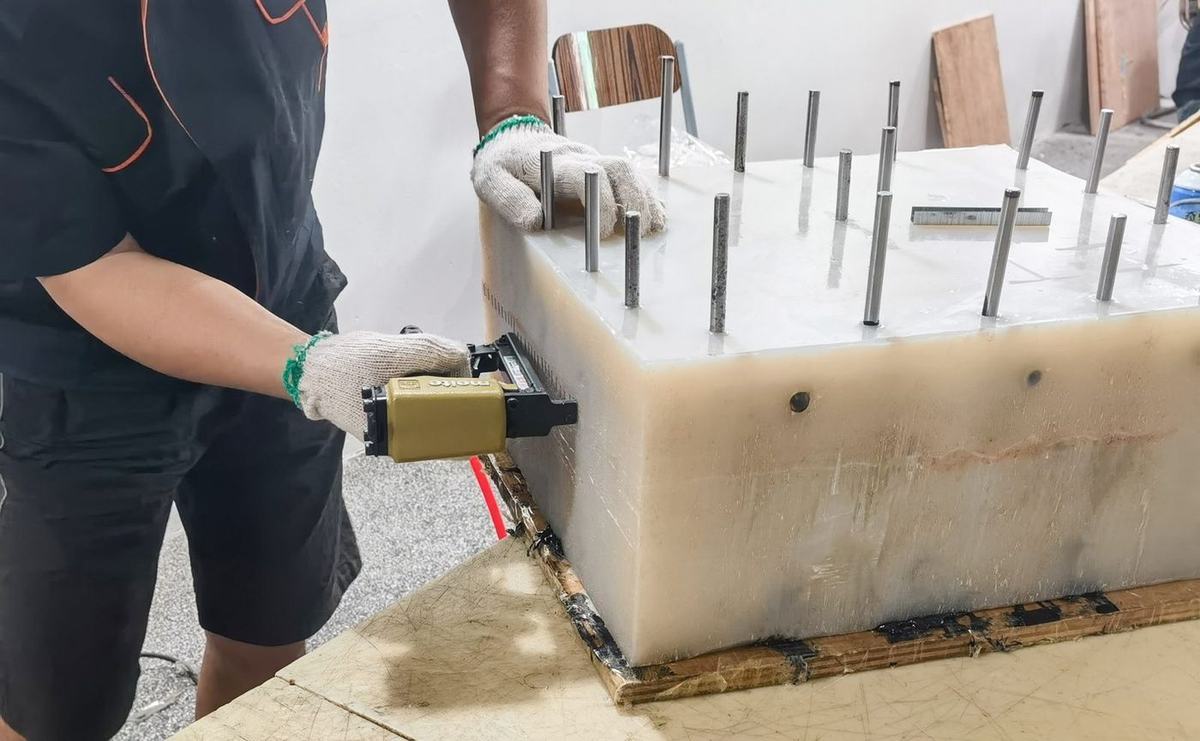 Mold prepared for vacuum pour
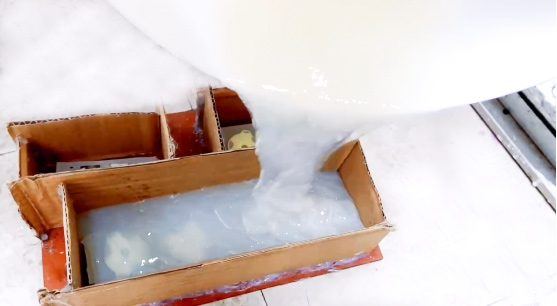 Resin poured into a mold box before cure
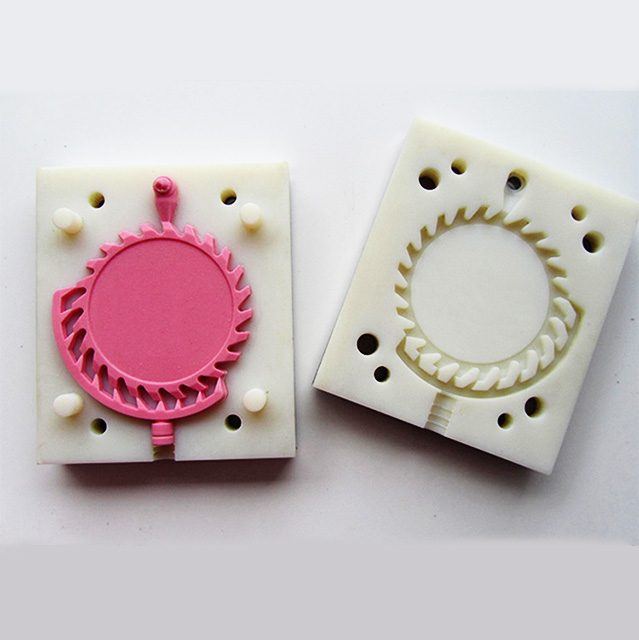 Pink master pattern inside an opened silicone mold
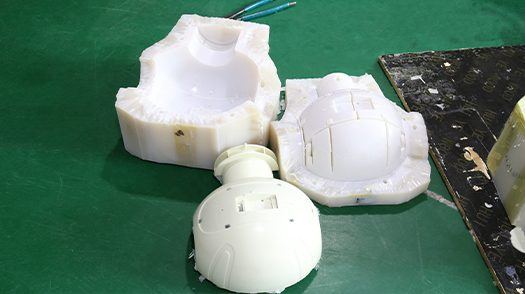 White cast shells removed from the mold
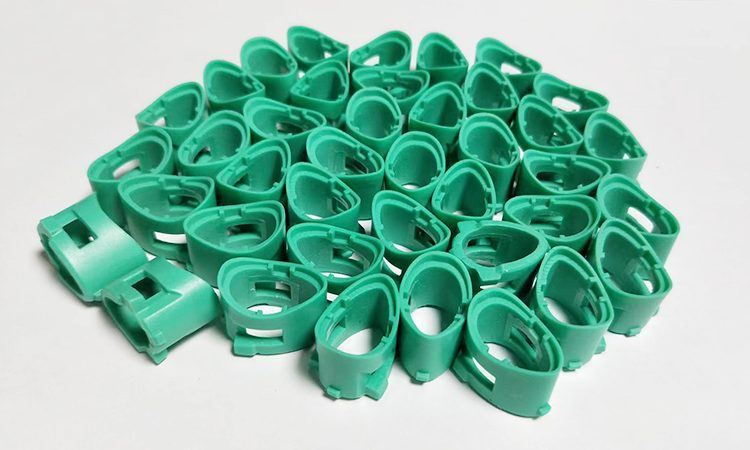 Batch of green cast plastic brackets
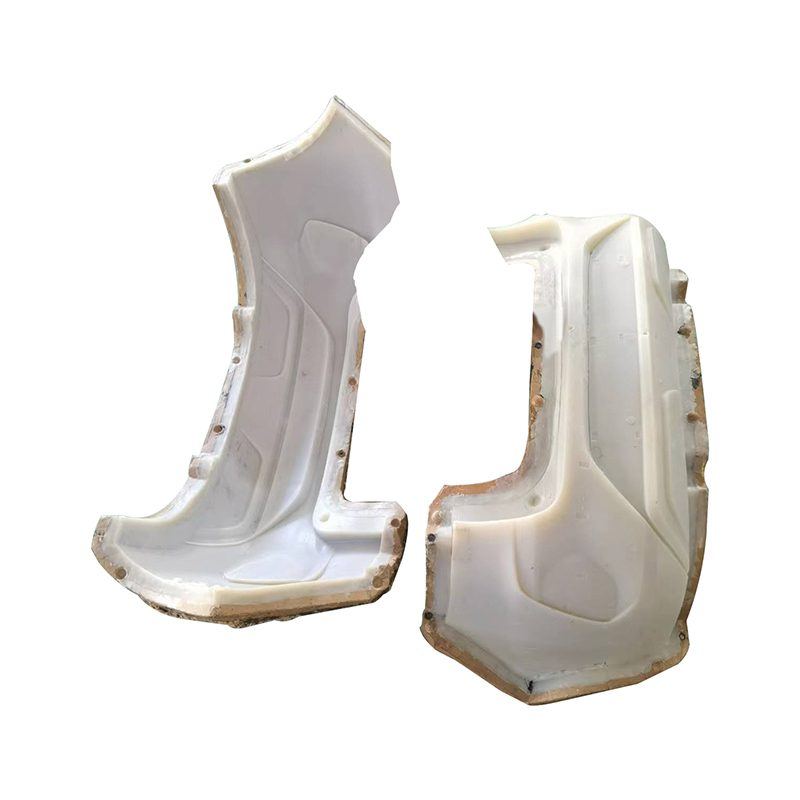 Finished cast covers after surface treatment
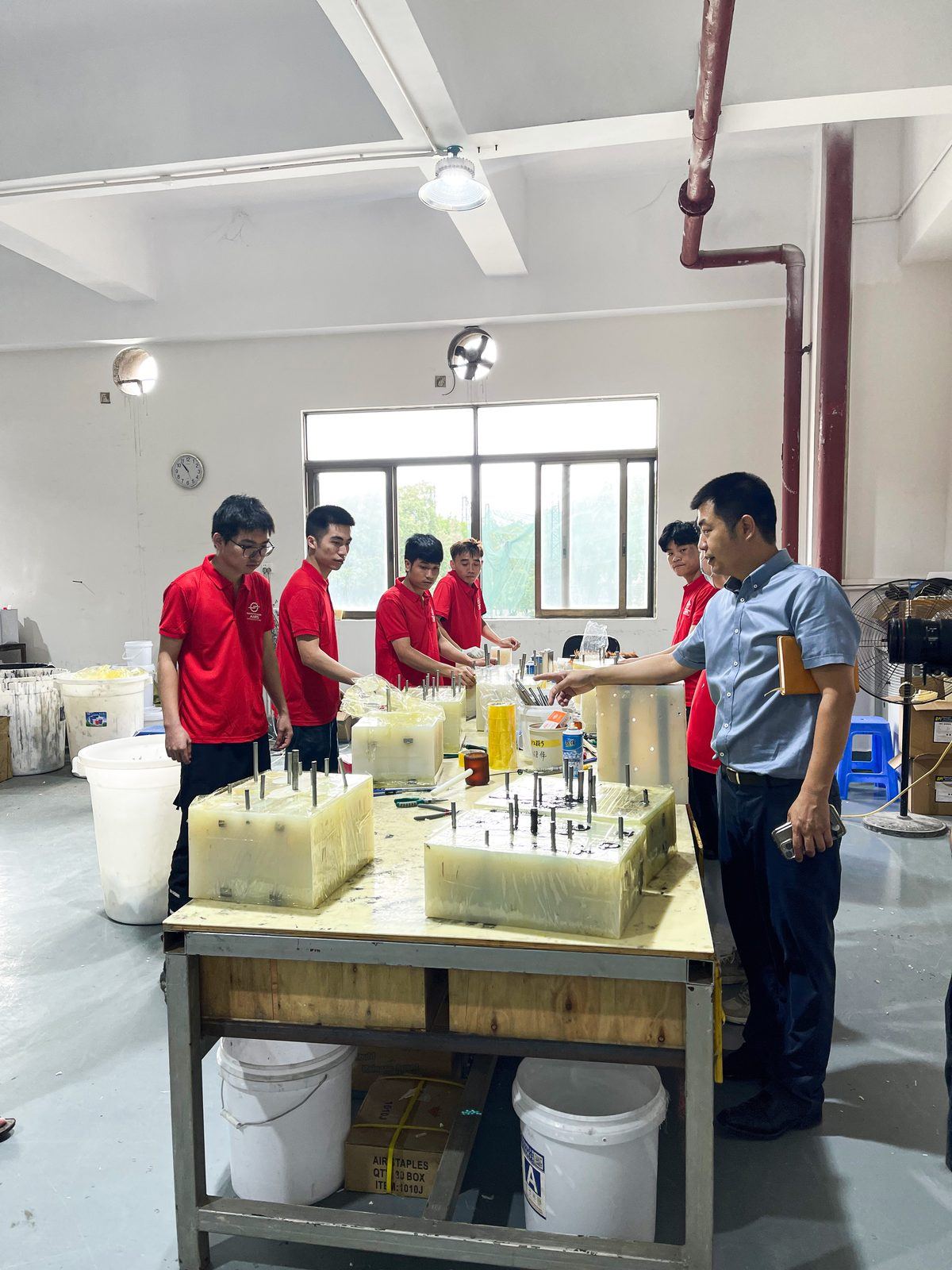 Vacuum casting workshop
Soft and hard options for urethane casting
| Resin | Shore hardness | Where it is used |
|---|---|---|
| Rigid ABS-like | Shore D 75 to 85 | Standard covers and housings |
| PC-ABS blend | Shore D 85 | Covers that carry some load |
| Soft, elastomer | Shore A 40 to 70 | Grip pads, overmolded details, bump stops |
| Transparent | Shore D 80 | Light pipes, display windows |
| Filled, flame retardant | Shore D 80 | Battery and electrical enclosures |
A cover that must flex in one place and stay rigid elsewhere usually needs a rigid shell with a soft insert cast in a second operation — not a single mid-hardness pour.
Metal routes when vacuum casting is the wrong fit
Aluminum enclosure China
Billet or formed aluminum covers with finish — same Suzhou order as vacuum-cast cosmetics.
CNC prototype China
First-article metal or engineering-plastic cuts when urethane is the wrong duty.
Small-batch CNC China
Bridge metal quantities after a vacuum-cast pilot freezes geometry.
Humanoid robot enclosure China
Structural metal humanoid shells beside urethane skins on one factory PO.
Vacuum casting vs CNC
Process split for covers vs interfaces before you pick a landing.
Contact / Upload STEP
Up to 2 files × 4 MB — usually one working day from Suzhou.
When should I use vacuum casting China instead of an aluminum enclosure or CNC prototype RFQ?
Use vacuum casting China for cosmetic urethane robot covers and soft-touch shells in the ~10 to a few thousand band without steel tooling. Route billet or formed metal housings to aluminum enclosure China, first-article metal cuts to CNC prototype China, bridge metal quantities to small-batch CNC China, and humanoid metal shells to humanoid robot enclosure China. Hybrid programs (cast cover + machined interface) stay on one Suzhou PO — Upload STEP on /contact/.
Why source vacuum casting from a manufacturer in China?
A China production base keeps master machining, silicone molding, casting, finishing and CMM inspection under one roof, which shortens hand-offs on small batches. Everoyal runs vacuum casting and RIM in Suzhou alongside CNC, sheet metal and 3D printing, so a program that mixes processes does not leave the site. Shipping is quoted FOB, CIF or DDP.
When does vacuum casting beat CNC or injection molding?
Vacuum casting wins when you need tens to a few thousand cosmetic or soft-touch parts without steel tooling. CNC stays better for tight-tolerance machined interfaces and one-offs in engineering plastics or metal — open CNC prototype China or aluminum enclosure China for those metal routes. Injection molding wins only after volume pays for the tool. Urethane casting fills the gap: production-look covers and robot enclosures at small-batch cost.
Can you vacuum cast robot enclosure covers and humanoid body shells in China?
Yes. Soft or hard resins, color matched to a sample, suit robot covers, limb shells and soft-touch details. Larger structural skins that outgrow a silicone mold move to reaction injection molding (RIM) at the same Suzhou base. Mating faces and bores can be machined after casting so shrinkage does not land on the interface. Metal billet housings stay on aluminum enclosure China or humanoid robot enclosure China.
What batch sizes and lead times should we plan for?
Typical vacuum-cast batches run from about 10 parts to a few thousand. A silicone mold yields tens of copies before it is remade from the same master. Lead time is driven by master machining and first-article approval; once the mold is sealed, pours repeat across the batch. Exact timing depends on geometry, resin and finish — send drawings for a dated quote. Metal small-batch CNC bridge quantities use small-batch CNC China.
What do you need to quote a vacuum casting job?
2D/3D drawings (STEP or similar), qty band, resin or Shore hardness, color/Pantone, texture or paint intent, whether mating faces need post-machining, master material preference, and need-by date. We reply with a process route, DFM risks and a quotation — usually within one working day — via sales@everoyalprecision.com or WhatsApp +86 138 2330 4476.
How do I RFQ urethane vacuum casting or silicone tooling in China?
Upload STEP (and a PDF with cosmetic faces marked) on the contact form with qty band, resin or Shore, color/Pantone, texture or paint intent, post-machine mating faces, and need-by. Everoyal quotes urethane vacuum casting and silicone tooling for robot enclosure covers from Suzhou — usually within one working day. WhatsApp +86 138 2330 4476 and sales@everoyalprecision.com also work.
Which landing should I open for an aluminum enclosure China RFQ instead of vacuum casting?
Open /services/aluminum-enclosure-china/ for billet or formed aluminum covers with finish in the same Suzhou order, then upload STEP on /contact/. Keep this vacuum casting China page for urethane cosmetic shells without a steel tool.
Who quotes a CNC prototype China job when vacuum casting is the wrong route?
Open CNC prototype China for first-article metal or engineering-plastic cuts with tight interfaces, then upload STEP on /contact/. Vacuum casting stays for painted cosmetic covers in the pilot band.
How do I route a small-batch CNC China RFQ after a vacuum-cast pilot?
When the cover freezes in metal or engineering plastic at bridge quantities, open small-batch CNC China and upload STEP on /contact/. Hybrid cast+machine programs can stay on one Suzhou PO.
Can humanoid robot enclosure China metal shells share this Suzhou factory with vacuum-cast covers?
Yes. Cosmetic urethane skins stay on this vacuum casting China page; structural metal humanoid shells open humanoid robot enclosure China. Both run at the same Suzhou factory — Upload STEP on /contact/.
Which service page should I open before a China enclosure RFQ after reading this vacuum casting page?
Pick the matching dedicated landing: aluminum enclosure China, CNC prototype China, small-batch CNC China, or humanoid robot enclosure China for metal routes — or stay here for urethane vacuum casting — then upload STEP on /contact/ (up to 2 files × 4 MB; usually one working day).
Do you supply IP67-certified robot enclosure covers?
No. Everoyal does not claim IP67 certified or EMI certified vacuum-cast covers. Gasket grooves and sealing lands are cast or post-machined to the drawing; assembled enclosure rating stays with the buyer’s system design and test lab.
Also useful: aluminum enclosure China, CNC prototype China, small-batch CNC China, humanoid robot enclosure China, services hub, humanoid robot parts China, humanoid robot enclosures, robotics, CNC machining China, aluminum machining China, rapid tooling China, 3D printing China, vacuum casting vs CNC, 3D printing vs vacuum casting, rapid tooling vs vacuum casting, vacuum casting versus injection molding, contact.
Upload STEP for a vacuum casting / robot enclosure RFQ
Rocky Chen replies with a process route (vacuum casting vs CNC vs RIM), the risks we see in your data and a quotation — usually within one working day. Metal housings: aluminum enclosure · CNC prototype · small-batch CNC · humanoid enclosure.