
CNC vs Rapid Tooling — Prototype to Small Batch RFQ
When CNC: geometry still moving, metal or billet plastic duty, tight fits, 1–tens/low hundreds — no mold. When rapid tooling: design frozen, need production thermoplastic grades and molded repeatability at bridge volume (aluminum soft tools, T0–T3). Upload STEP on /contact for one Suzhou bridge quote — usually within one working day.
Why buyers compare CNC machining and rapid tooling
Overseas buyers often ask when a cover or housing should stay machined from billet and when it should move onto a rapid aluminum injection tool. The two routes fail on opposite constraints: CNC skips molds and holds metal/plastic stock properties; rapid tooling buys molded resin repeatability once geometry is frozen.
Everoyal runs CNC milling and turning beside rapid tooling (aluminum and steel molds, T0–T3 on site) at one Suzhou base (est. 2017; ~10,000 m²; ~80 staff; 50+ machines), with vacuum casting, sheet metal and 3D printing under the same contract. Process RFQ landings: CNC machining China · rapid tooling China · small-batch production China. Programs: robotics · services hub · more compares: compare hub. Sister compares and guides: rapid tooling vs 3D printing, rapid tooling vs vacuum casting, vacuum casting vs CNC, CNC vs 3D printing, MOQ prototype & small batch. This page is the prototype→bridge production decision guide — not a price list. RFQ → /contact.
CNC machining (billet)
Cut from solid stock — aluminum, stainless, engineering plastics and other metals. No mold. Strong for 1–tens/hundreds, tight fits, structural metal and changing geometry.
Rapid tooling (T0–T3)
Aluminum soft tools (and trial steel when volume justifies). Tool cut, T0 first shot through T3 sign-off, then molded thermoplastic small batches at the same base.
Bridge path
Machine masters, fixtures and early covers while geometry moves; cut rapid tooling from the same approved data once volume and resin grade need molds — one vendor, one crate from Suzhou.
CNC machining vs rapid tooling — what changes for RFQ buyers
| Factor | CNC machining (solid stock / billet) | Rapid tooling (aluminum / steel, T0–T3) |
|---|---|---|
| What it is | Part cut from solid metal or engineering-plastic stock on mill/turn (3-axis / 5-axis) | Injection into a cut aluminum (or trial steel) mold; documented T0–T3 trials |
| Tooling need | None for production — fixtures / soft jaws as needed for the set-up | Aluminum soft tool or trial steel mold; cavity count set by batch/annual volume |
| Lead-time band | Simple machined-only sets: days to about 2 weeks; CNC + finish / mixed robot sets longer. Timing depends on material, ops and qty — see prototype lead times; no invented day counts here | Rapid aluminum tooling typically planned ~2–3 weeks at Suzhou with T0–T3 before batch; trial steel ~4–6 weeks; production steel longer — geometry must be frozen. Context: lead-times page |
| Materials | Metals (e.g. aluminum, stainless) and engineering plastics from billet/bar/plate — stock grades, not molded resin | Production thermoplastic grades (fillers noted on RFQ); tool steel grade extends life when volume is confirmed |
| Cosmetics / surface | Machined or secondary-finished faces; anodize / powder / paint same-order when specified | Molded thermoplastic surfaces; texture and colour from tool/resin grade and secondary finish |
| Quantity bands | Strong at 1–tens and into low hundreds without a mold. MOQ guide: MOQ prototype & small batch | Bridge when roughly a thousand to a few thousand molded parts pay for the tool before steel; aluminum tool life often planned ~1,000–5,000 shots (planning range, quote states duty) |
| Tolerance / fit | Bores, datums and fits held on the machine; CMM as specified on the drawing | Molded dimensions measured at T1–T3; shrinkage from this tool’s data; mating faces can still be secondary-machined |
| Typical use | Structural metal housings, precision interfaces, early covers while design moves, small plastic billet runs | Frozen geometry needing molded resin repeatability and thermoplastic grades at bridge volume |
| Common RFQ miss | Staying on CNC after geometry and volume already justify a soft tool (piece price stays high) | Cutting aluminum while design is still changing (expensive rework vs re-programming a CNC job) |
| When to prefer | 1–tens/hundreds, metal duty, tight fits, or geometry still moving | Frozen design + molded thermoplastic + volume/repeatability that pays for T0–T3 |
Service overviews: CNC machining, rapid tooling & molding. China RFQs: CNC machining China, rapid tooling China. Exact lead times, shot life and resin grades are agreed in the quote from your drawing — not published as certified catalog defaults. No invented ISO / customer / medical / die-casting claims on this page.
Machine and soft-tool under one China contract
CNC machining China RFQ
3-axis / 5-axis from solid stock — metals and engineering plastics, finishes same-order. CNC machining China.
Rapid tooling China RFQ
Aluminum and steel molds, T0–T3 on site, trial molding beside the tool. Rapid tooling China.
Sister compares
Soft tool vs print: rapid tooling vs 3D printing. Soft tool vs cast: rapid tooling vs vacuum casting. Cast vs CNC: vacuum casting vs CNC. CNC vs print: CNC vs 3D printing.
Bridge path
Keep CNC masters, fixtures and early covers while geometry moves; cut rapid tooling from the same approved STEP once volume and resin grade justify molds.
Lead-time honesty
Qualitative bands only on this page (CNC days–~2 weeks planning for simple sets; aluminum tooling ~2–3 weeks from site lead-times). Exact dates come with the quotation. Context: prototype lead times.
Honest limits
No catalog prices, shot-life guarantees or resin certificates without your drawing. Quote depends on geometry, material family, quantity and finish notes.
What to send when choosing CNC vs soft tooling
You can ask for both process options on one STEP pack. Quantity band, geometry freeze status and material family still come first.
| Item | Preferred | If missing |
|---|---|---|
| 3D + critical 2D | STEP / IGES + PDF with datums, cosmetic faces and parting notes | Mold split / gate or stock orientation guessed |
| Process preference | CNC billet or rapid aluminum/steel tool — or “quote both / bridge path” | Quoted default may not match duty |
| Material / resin | Stock alloy or plastic grade for CNC; thermoplastic grade + fillers for tooling | Material stays a range |
| Finish / cosmetics | Anodize / powder / paint notes for CNC; texture/colour for molded faces | Finish re-quoted after first article |
| Qty / Incoterm | 1 / 10 / 50 / 200 / 1,000+; FOB / CIF / DDP; say if geometry is frozen | Lead time and tool type stay a range |
| Fit-critical faces | Which bores / pads need CNC tolerance or post-machine after mold | Fit stays on machined or molded default |
Upload on /contact (2 files × 4 MB). Packing list: RFQ checklist. Quantity bands: MOQ prototype & small batch. Factory facts: Everoyal at a glance.
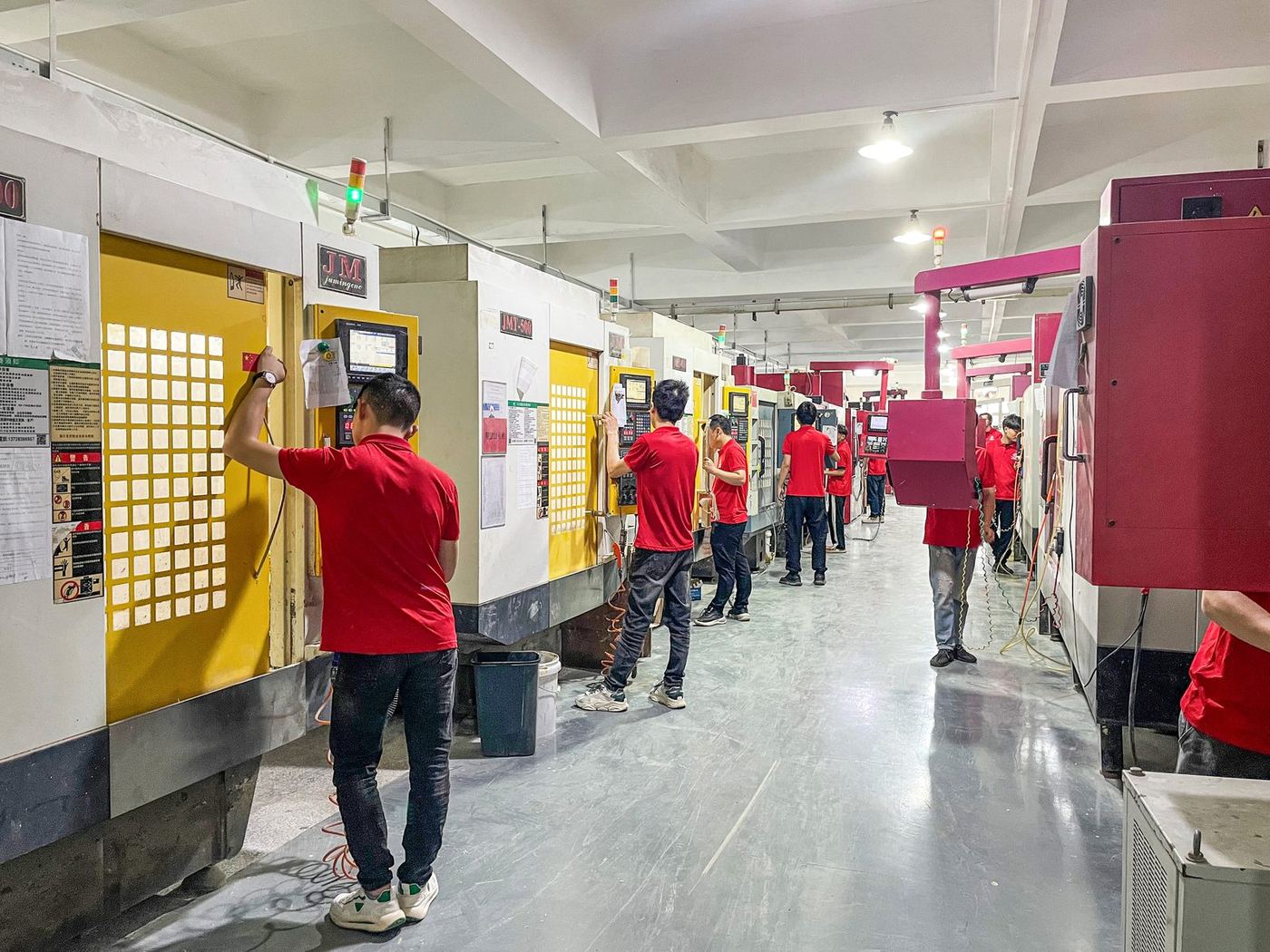 CNC machining workshop
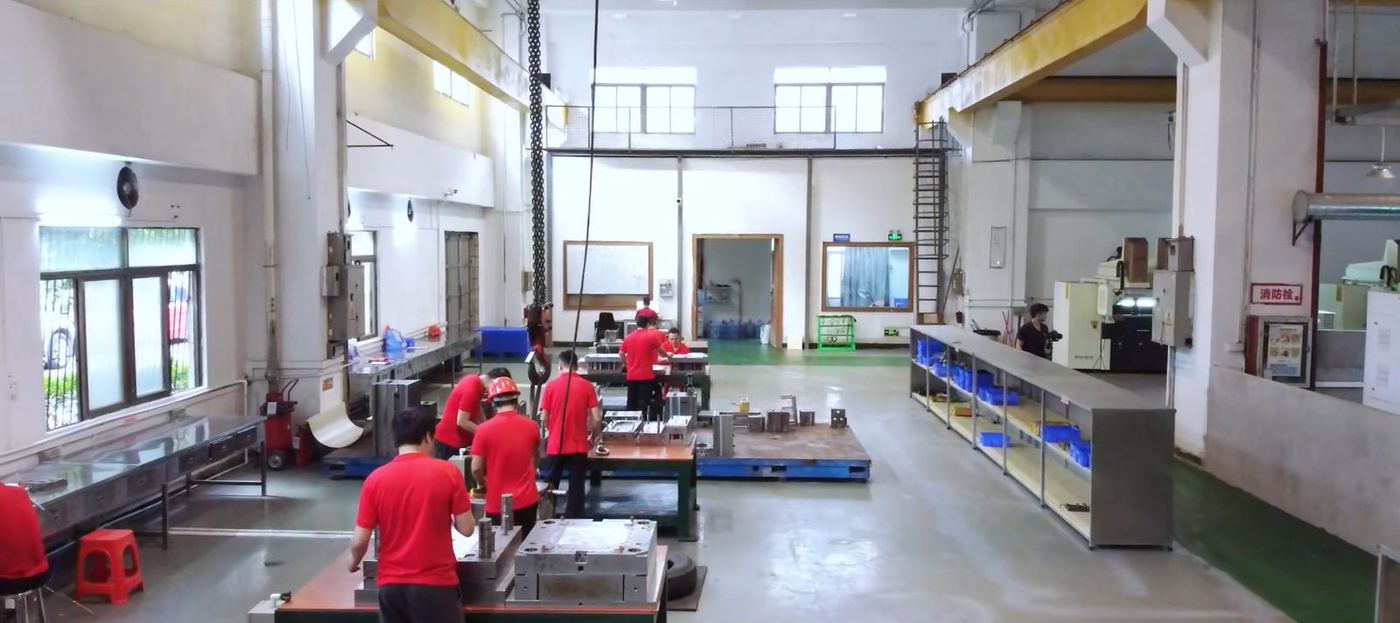 Rapid tooling workshop
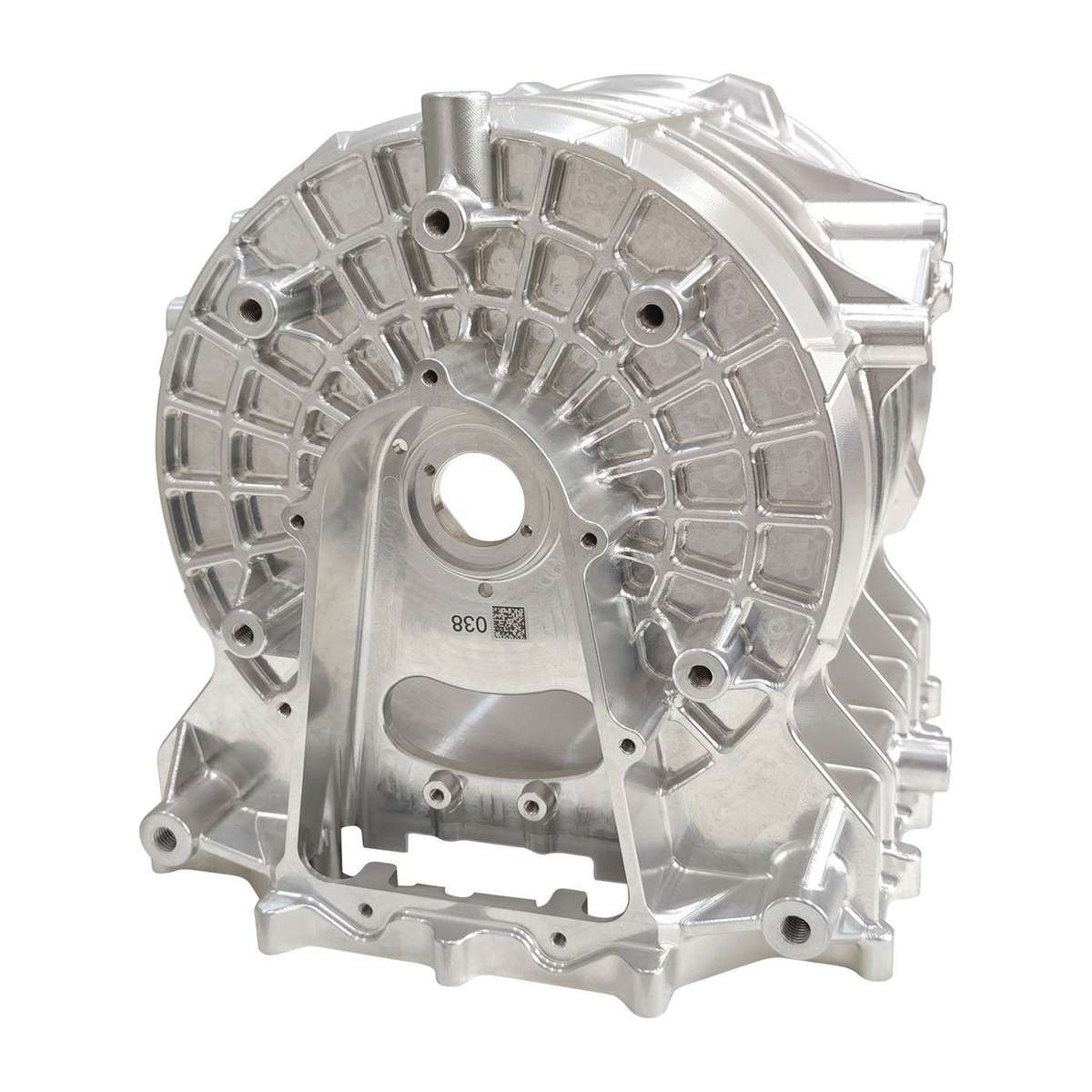 Machined aluminum housing
Fast rules that keep CNC vs soft-tool quotes comparable
Geometry still moving → CNC
Re-programming a mill costs less than aluminum rework. Prefer billet CNC for metal duty, tight fits and 1–tens/hundreds.
Frozen + molded resin → rapid tool
Call aluminum soft tooling with T0–T3 when thermoplastic grade and volume/repeatability need molds.
One crate from China
Machined parts and molded bridge parts under one FOB / CIF / DDP quote. Facts: Everoyal at a glance.
When should I choose CNC vs rapid tooling for prototype to small-batch?
Choose CNC while geometry is still moving, for metal or billet plastic duty, tight fits, and quantities in the ones to tens or low hundreds with no mold. Choose rapid aluminum tooling (T0–T3) when the design is frozen and you need production thermoplastic grades plus molded repeatability at bridge volume. Upload STEP on /contact for a Suzhou quote of either or a bridge path. Sister RFQs: CNC machining China, rapid tooling China, small-batch production China.
What is the difference between CNC machining and rapid tooling for covers and housings?
CNC machining cuts the part from solid stock or billet — metals and engineering plastics — with no mold. Rapid tooling cuts an aluminum soft tool (or trial steel), runs T0–T3 trials on site, and injection-molds thermoplastic parts. Machining wins for one-offs through tens or low hundreds, tight fits, and metal structural parts; rapid tooling pays once geometry is frozen and volume or resin repeatability needs a mold.
When should I choose CNC machining over rapid tooling?
Prefer CNC when quantity stays in the ones to tens or low hundreds, when you need metal or engineering-plastic billet properties, tight bores and datums, or when the design is still changing. Prefer rapid aluminum tooling when the design is frozen, you need production thermoplastic grades, and quantity or shot-to-shot repeatability makes a soft mold pay — typically bridge volumes before full steel. Exact break-even depends on cycle time and tool cost, confirmed in the quote. Quantity framing: MOQ prototype & small batch.
What tooling does each process need?
CNC machining needs no production mold — fixtures and soft jaws only as required for the set-up. Rapid tooling needs an aluminum soft tool or trial steel mold, with T0 first shot through T3 sign-off documented at the same Suzhou base before batch release. CNC masters and fixtures from early machining often feed the soft-tool path when volume grows. Sister path: rapid tooling vs vacuum casting.
What quantity bands fit CNC machining vs rapid tooling?
CNC is strong from 1 piece through tens and into the low hundreds without amortizing a mold. Rapid aluminum tooling is planned when you need roughly a thousand to a few thousand molded thermoplastic parts before steel is justified — typical aluminum tool life is on the order of 1,000 to 5,000 shots depending on resin and gate wear (planning range, not a guarantee). Timing context: prototype lead times.
Can a program move from CNC machining to rapid tooling at Everoyal?
Yes. That is a common bridge: machine covers, housings and fixtures while geometry moves or metal duty is required, then cut rapid aluminum tooling from the same approved data once volume and thermoplastic grade justify molds. CNC, rapid tooling T0–T3, vacuum casting, sheet metal and 3D printing share one Suzhou base (est. 2017; ~10,000 m²; ~80 staff; 50+ machines), so the vendor does not change. Upload STEP on /contact (up to 2 files, 4 MB each).
Can Everoyal quote CNC machining and rapid tooling in the same China order?
Yes. CNC milling and turning sit beside tool design, cutting, T0–T3 and small-batch molding at the Suzhou base. Upload STEP or IGES and a PDF on /contact (up to 2 files, 4 MB each) with process preference, material or resin grade, quantity and Incoterm. Sister RFQs: CNC machining China, rapid tooling China. Reply is usually within one China working day.
Also useful: CNC machining China, rapid tooling China, small-batch production China, robotics, services, compare hub, rapid tooling vs 3D printing, rapid tooling vs vacuum casting, vacuum casting vs CNC, CNC vs 3D printing, MOQ, at a glance, contact.
Upload STEP for prototype→small-batch CNC or tooling RFQ
Attach STEP, IGES or PDF on /contact (up to 2 files, 4 MB each). Note CNC vs rapid tooling preference, material, finish and quantity. Rocky Chen replies with process options, DFM risks and a quotation — usually within one working day.