
Vertical and Compact Powder Anodizing — What to Specify on an RFQ
Answer first: Vertical powder anodizing and compact powder anodizing are commercial phrases for how a finishing line is laid out — usually for long aluminum profiles hung vertically, sometimes in a compact plant footprint — not a third finish chemistry next to Type II / Type III anodizing or powder coating. Some lines also apply powder over a thin, unsealed pre-anodic film (flash or pre-anodizing). For machined or fabricated parts, name the actual finish system on the drawing and Upload STEP on /contact/.
Buyers searching these terms are usually looking at aluminum profile plants, not a new oxide formula. The useful question on an enclosure or CNC RFQ is still: anodize, powder, or a specified combination — and what the drawing must lock before a shop can quote.
Sister pages: anodizing China · anodizing vs powder coating · soft vs hard anodizing · powder coating China. RFQ → /contact/.
Vertical line
Long profiles hang and travel through pretreatment, anodizing and/or powder, then a cure zone. Layout language, not a film type.
Compact line
A smaller-footprint plant, often vertical, marketed for aluminum profiles. Confirm whether pre-anodize is in the same line.
Upload STEP
Name the finish system, mask faces and part type on the PDF. Quote from Suzhou via /contact/.
Upload STEP & request finish RFQ
What the two phrases usually mean
Vertical powder anodizing is used loosely. Anodizing is an electrochemical conversion that grows an oxide on aluminum. Powder coating is an applied organic film, electrostatically deposited and cured. A vertical line may run anodizing, powder coating, or powder over a prepared anodic substrate. Quality teams should separate those words before they review a line or a drawing.
The shared engineering problem on a vertical line is uniformity: long profiles must move through pretreatment, treatment or coating, ovens and cooling without unacceptable variation from top to bottom, face to edge, or rack position to rack position. That problem belongs to profile work. It is not automatically the same problem as masking a machined enclosure bore.
Compact powder anodizing points at plant footprint. Makers of aluminum-profile finishing equipment advertise compact (often vertical) powder-coating plants, sometimes with an in-line pre-anodize or flash-oxidation step. “Compact” describes the installation, not a unique military or architectural specification number you can copy onto a CNC cover and expect one result.
Vertical vs compact
| Vertical | Compact | |
|---|---|---|
| What it names | Orientation and flow: profiles hang and travel through the stages. | Plant size and layout: a smaller-footprint line, often still vertical. |
| Typical work | Long aluminum extrusions (architectural and similar profiles). | The same class of profile work, in a tighter floor plan. |
| What it does not name | Type II vs Type III, colour, thickness, or seal state on a machined part. | A different oxide or powder chemistry by itself. |
| What to write on the RFQ | If the specification requires a vertical profile line, say so, plus the finish stack. | If a compact or named plant type is required, say so; otherwise specify the finish stack. |
Neither word replaces a finish callout. If the part is a billet CNC shell or a formed panel, start from the finish system — then mention line type only when the specification actually requires it.
When to use anodizing, powder, or a combination
Anodizing as the final finish. Type II (soft / decorative) is the usual call for cosmetic aluminum housings and covers; Type III (hard) when wear faces, slides or bores need a thicker wear film. Growth on fits must be named. Details: soft vs hard anodizing and anodizing China.
Powder coating as the final finish. Choose powder when you need a RAL or other colour target and a thicker organic barrier — typical on sheet frames, panels and some CNC parts. Mask grounds, threads and sliding fits before the booth. Details: powder coating China and anodizing vs powder coating.
Powder over a pre-anodized surface. This is a combination, not a synonym for either process. Published coating-quality literature (including QUALICOAT guidance for high-chloride or seaside environments) recommends electrochemical pre-anodizing of aluminum before powder: a thin, porous anodic film that is left unsealed so the powder can key into the pores. Industry sources commonly cite a 3–8 µm range for that flash / pre-anodize film. That range is published process context, not a promise on any Everoyal quote, and it is not a sealed Type II cosmetic film or a Type III hard-anodize stack. Confirm thickness, alloy, seal state, and whether powder is to be applied over the film — on the drawing, not by inference from a line name.
Suzhou Everoyal Precision quotes in-house Type II / Type III anodizing and powder coating together with CNC or sheet-metal work. A dedicated vertical extrusion coating line, or an in-line flash pre-anodize built into a compact powder plant, is a different kind of installation. If your specification requires that route, write it on the RFQ so we can confirm capability and limits. Do not assume a profile line from the search phrase alone.
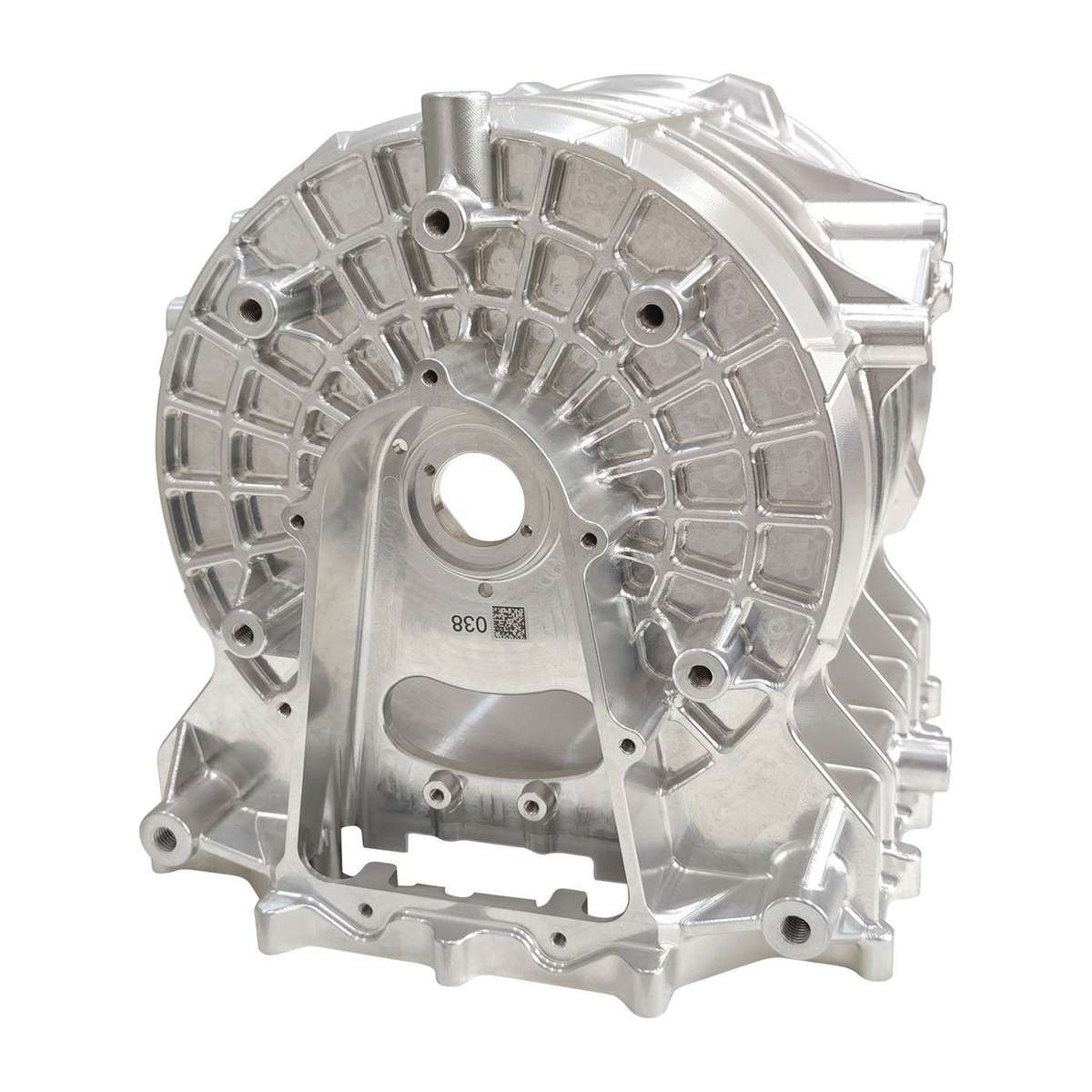 Name the finish system on the drawing — not only a line phrase
What to put on the RFQ
| Lock on the drawing / RFQ | Why it matters |
|---|---|
| Alloy and temper | Anodic response and powder adhesion vary by alloy; do not leave this implicit. |
| Finish system | Type II, Type III, powder, or powder over pre-anodize — plus whether the anodic film stays unsealed. |
| Thickness if you need to hold one | Published pre-anodize ranges are not a substitute for your callout; growth on fits must be planned. |
| Colour / gloss | RAL or other powder target, or anodize colour (clear, black, or a named dye). |
| Mask faces | Threads, ground pads, sliding fits, sealing faces and bearing seats — marked before finishing. |
| Duty | Cosmetic, wear, or corrosion intent. If a seaside or salt-spray callout exists, attach it; we confirm rather than assume a certificate. |
| Part type and quantity | Long extrusion vs machined / sheet part changes which plant type is even in play. |
| Line type, only if required | If the specification demands a vertical or compact profile line, say so in words. |
Upload STEP and the PDF on /contact/. Exact timing and route come with the quote; this page does not publish catalog prices, plant capacity, or certification claims that are not on the order.
Questions buyers ask
What is vertical powder anodizing?
It is a commercial phrase, not a third finish chemistry next to Type II / Type III anodizing or powder coating. In industry use it usually describes a vertical process line for long aluminum profiles: parts hang vertically and travel through pretreatment, anodizing and/or powder coating, then curing. Some vertical powder lines also include a thin, unsealed pre-anodic film (flash or pre-anodizing) so powder can key into open pores. For a machined or fabricated enclosure, do not assume a profile line from the name alone — name the actual finish system on the drawing and Upload STEP on /contact/.
What is compact powder anodizing?
Likewise a line-layout phrase. Equipment makers market compact-footprint powder-coating plants — often vertical — for aluminum profiles, sometimes with an in-line pre-anodize or flash-oxidation step before powder. Compact refers to plant footprint and layout, not to a unique coating specification. If a drawing calls for a compact or vertical line, say so on the RFQ so the route can be confirmed. Otherwise specify Type II / Type III anodizing, powder coating, or powder over a prepared anodic film, and Upload STEP on /contact/.
When should I specify anodizing, powder coating, or powder over a pre-anodized surface?
Specify Type II (soft) anodizing for cosmetic aluminum shells and Type III (hard) when wear faces, slides or bores need a thicker wear film — see soft vs hard anodizing and anodizing China. Specify powder coating when you need a RAL / colour target and a thicker organic barrier on frames or panels — see powder coating China and anodizing vs powder coating. Powder over a pre-anodized (often unsealed) film is a combination used when a specification wants both an anodic underlayer and a powder topcoat, including some high-chloride or seaside calls in published coating-quality literature. Confirm thickness, alloy, and whether the anodic film is to remain unsealed so powder can adhere. Upload STEP on /contact/.
What should I include in an RFQ for vertical or compact powder anodizing?
Send a STEP and PDF on /contact/. Name alloy and temper; the finish system (Type II, Type III, powder, or powder over pre-anodize, including seal state); any film or coat thickness you need to hold; colour or gloss (RAL or anodize colour); mask faces, threads, ground pads, sliding fits and sealing faces; cosmetic vs wear vs corrosion intent; quantity; and whether the parts are long extrusions or machined / sheet-metal parts. If the specification requires a vertical or compact profile line, write that down rather than leaving it implicit. We confirm route and limits on the quote — we do not treat a search phrase as a plant certificate.
Is a vertical profile line the same as Type II or Type III anodizing on a CNC enclosure?
No. Type II and Type III describe the anodic film on the part (decorative / soft vs hard / wear-oriented). A vertical or compact line describes how profiles move through a plant. A CNC enclosure can be Type II or Type III anodized, powder coated, or given a specified combination without ever seeing a vertical extrusion line. Match the callout to the part, not only to a line name.
Does Suzhou Everoyal Precision run a vertical or compact powder-anodizing line?
Suzhou Everoyal Precision quotes in-house Type II / Type III anodizing and powder coating together with CNC or sheet-metal work. A dedicated vertical extrusion coating line, or an in-line flash pre-anodize built into a compact powder plant, is a different kind of installation. If your specification requires that route, state it on the RFQ so we can confirm capability and limits. Do not assume a profile line from the finish name alone. Upload STEP on /contact/.
See also: anodizing China, anodizing vs powder coating, soft vs hard anodizing, powder coating China, contact / Upload STEP.
Upload STEP for a vertical or compact powder-anodizing finish RFQ
Rocky Chen replies with a finish route we can actually run or confirm, the mask and fit risks we see in your data, and a quotation. Exact timing comes with the quote.