
Soft vs Hard Anodizing — Aluminum Enclosure RFQ China
Answer first: Soft vs hard anodizing for aluminum enclosure / robotics China? Prefer Type II soft (clear / black / colour) for housings and covers; call Type III hard only when wear faces, slides or bores need a thicker wear film. Suzhou Everoyal Precision machines billet CNC shells and quotes Type II / Type III in-house on the same China order — see aluminum enclosure China · anodizing China · anodizing vs powder · aluminum machining China · vertical / compact powder anodizing. Upload STEP on /contact.
Why buyers compare Type II soft and Type III hard anodize
For an aluminum enclosure RFQ China, buyers usually choose Type II soft (decorative clear / black / colour) or Type III hard anodize on the same China CNC order. The two films solve different jobs. Picking late — after first article — usually means re-quoting growth on fits and wear faces.
Everoyal quotes Type II soft and Type III hard at one Suzhou base (est. 2017; ~10,000 m²; ~80 staff; 50+ machines) in the same order as CNC. Process RFQ: anodizing China. Dedicated enclosure: aluminum enclosure China. Enclosure machining: aluminum machining China. Enclosure RFQ guide: aluminum CNC enclosure China RFQ. Design notes: machine enclosure design guide. Polymer bake alternative: powder coating China / anodizing vs powder coating. This page is the soft-vs-hard decision guide — not a catalog of military film certificates.
Type II soft
Decorative clear, black or colour films for enclosure housings and covers. Thin integral look; dye locked with the alloy.
Type III hard
Thicker, wear-oriented films (RFQs often plan ~25–50 µm). Growth on slides and bores must be named.
Same-order with CNC
Finish type, mask faces and fit risks locked with the machine quote — not discovered after the batch leaves the mill.
Type II soft vs Type III hard — what changes for aluminum enclosure RFQ China
| Factor | Type II soft (decorative) | Type III hard |
|---|---|---|
| What it is | Thinner electrochemical oxide for cosmetic aluminum | Thicker, wear-oriented electrochemical oxide on aluminum |
| Film thickness (planning) | Decorative clear/colour/black; site growth example ~20 µm → ~10 µm/side outward | Often planned ~25–50 µm on Everoyal RFQs; exact band agreed in the quote |
| Wear | Cosmetic / light handling — housings and covers | Wear faces, slides, bores where abrasion matters |
| Dye / colour | Clear, black or colour routine; 6061 vs 7075 shade can differ | Primarily wear-oriented; colour limited — name explicitly on RFQ |
| Masking & growth | Mask press fits, threads, pads; half growth outward | Same mask rules; thicker film → more growth on slides/bores |
| Conductivity | Coated faces insulating — mask contact pads | Still insulating where coated — mask grounds |
| Typical use | Housings, covers, brackets wanting thin integral look | Slides, wear pads, bores needing thicker wear film |
| Common RFQ miss | Colour without alloy note; no mask on fits | Hard called with no growth plan on sliding fits |
| Relative cost | Usually lower bath / thinner film for covers | Usually higher (thicker film, longer bath, tighter growth planning) — quote from drawing, not a catalog list |
| When to prefer | Cosmetic aluminum CNC with clear/black/colour | Wear service that justifies thicker film + growth planning |
Aluminum grade behaviour: aluminum & anodizing. Enclosure: aluminum enclosure China. Aluminum China RFQ: aluminum machining China. Exact thickness bands are agreed in the quote from your drawing — not published as certified defaults here. No invented military / ISO film IDs on this page.
Type II vs Type III for enclosure — thickness, wear, colour, cost
| Factor | Type II soft | Type III hard |
|---|---|---|
| Thickness (planning) | Thinner decorative band; site example ~20 µm → ~10 µm/side outward | Thicker; Everoyal RFQs often plan ~25–50 µm — exact band in the quote |
| Wear | Cosmetic / light handling — housings & covers | Wear faces, slides, bores |
| Colour | Clear / black / colour routine; alloy shade can differ | Colour limited — name explicitly on RFQ |
| Cost | Usually lower for covers | Usually higher; price from geometry + mask notes on /contact |
Enclosure CNC: aluminum enclosure China · Finish: anodizing China · Vs powder: anodizing vs powder · Machining: aluminum machining China.
CNC plus soft or hard anodize under one China contract
Anodizing China RFQ
Type II soft + Type III hard with aluminum CNC. Mask threads, press fits and contact pads before film growth. Anodizing China.
Aluminum enclosure CNC
6061 / 7075 / 5052 billet housing CNC with Type II / III locked in the same quote. Aluminum enclosure China · aluminum machining China · enclosure RFQ insight.
Vs powder coating
When the choice is anodize vs polymer bake instead of soft vs hard: powder coating China · anodizing vs powder.
Growth math
Roughly half outward. A 20 µm decorative coat adds ~10 µm per side. Hard films are thicker — name critical slides and bores on the PDF.
Mixed callouts
Decorative covers next to hard-anodized wear inserts in one assembly are normal. Lock both types on one RFQ so mask maps match.
Honest limits
No catalog film certificates without your drawing. Quote depends on geometry, alloy, type and mask notes. Capability-matched to site clear/black/colour/hard wording only.
What to send when choosing soft vs hard anodize
You can ask for both film options on one STEP pack. Alloy, mask faces and after-coat fits still come first.
| Item | Preferred | If missing |
|---|---|---|
| 3D + critical 2D | STEP / IGES + PDF with fits marked | No reliable mask or growth plan |
| Alloy & temper | 6061-T6, 7075-T6, 5052, etc. | Colour match and growth behaviour shift |
| Anodize type | Type II soft (clear / black / colour) or Type III hard; thickness band if known | Quoted decorative default, then re-quoted |
| Mask map | Threads, press/sliding fits, ground pads, datums | Fits bind; contacts go insulating |
| After-coat fits | Which dimensions must hold after film | Growth discovered on CMM |
| Qty / Incoterm | 1 / 10 / 50 / 200+; FOB / CIF / DDP | Lead time stays a range |
Upload on /contact (2 files × 4 MB). Packing list: RFQ checklist. Drawing structure: what to include in a drawing package. How-to: how to RFQ China.
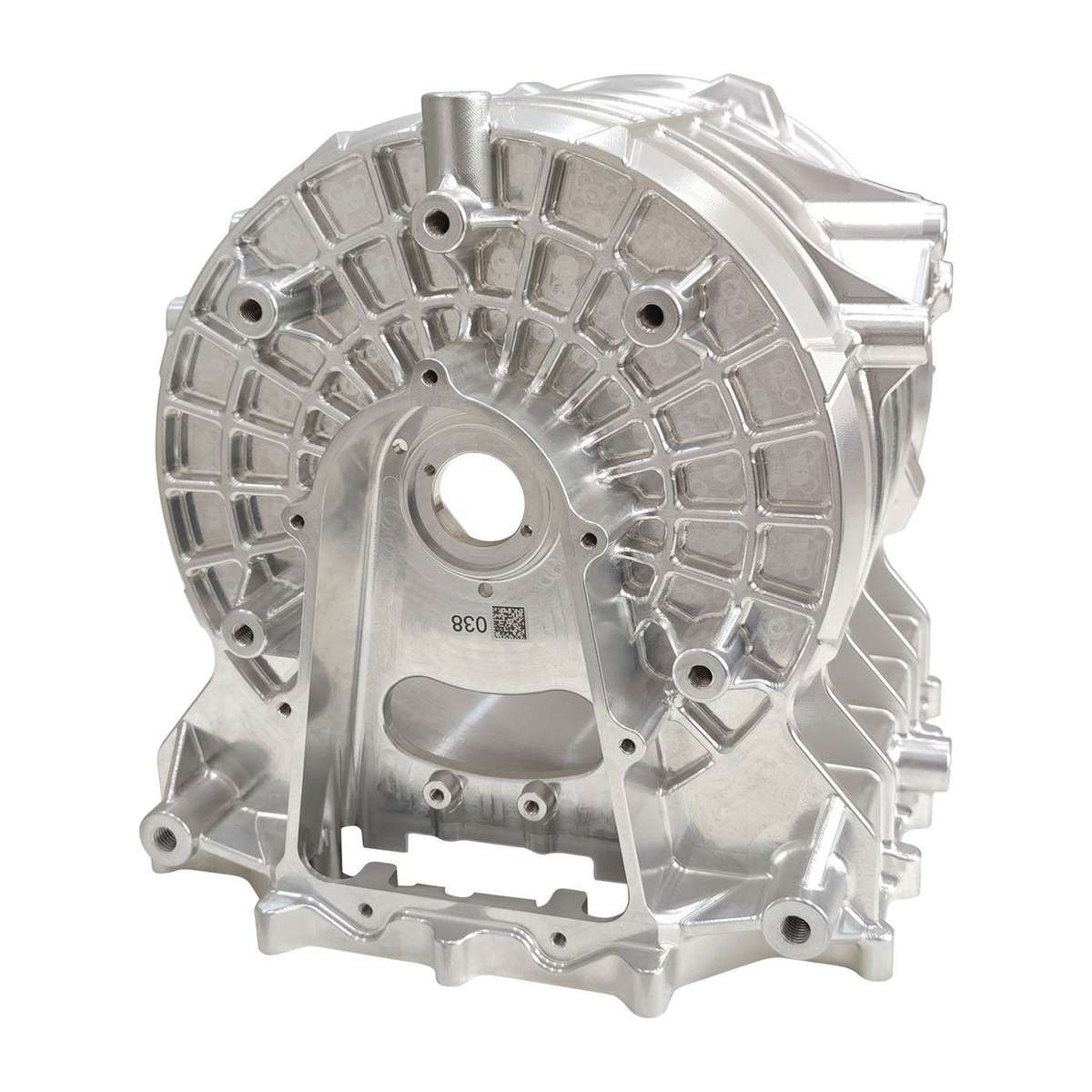 Housing — soft / decorative candidate
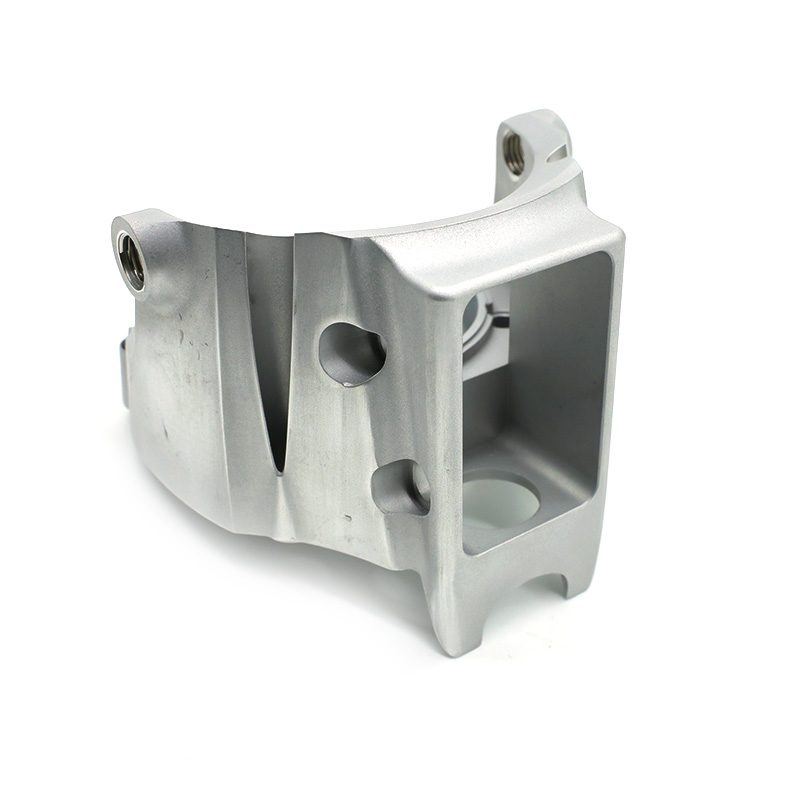 Five-face housing — name type on RFQ
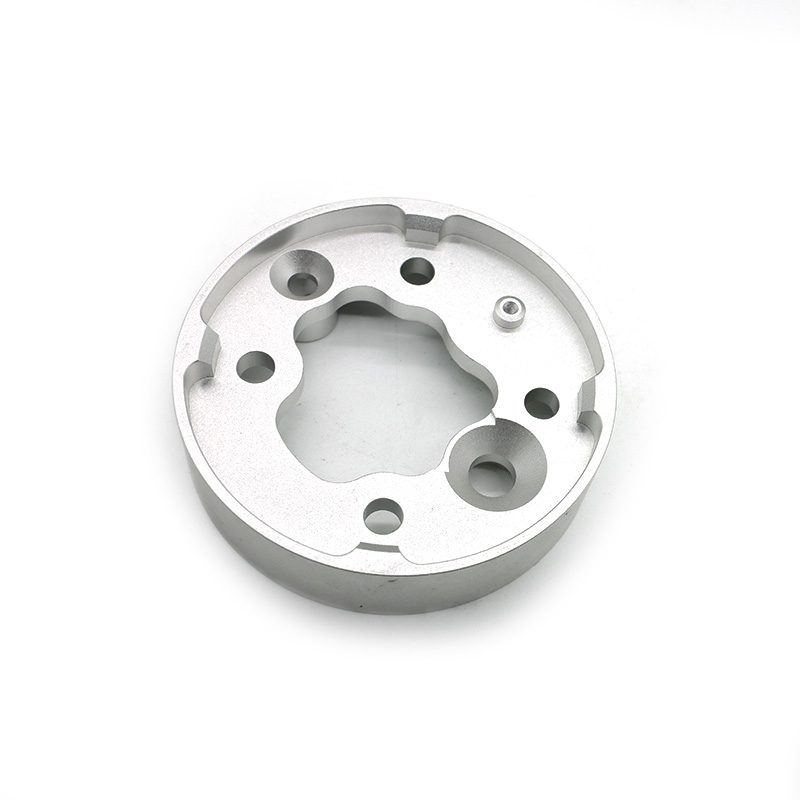 Wear / fit faces — plan hard growth
Fast rules that keep soft vs hard quotes comparable
Enclosures / covers → Type II
Type II soft clear, black or colour when the job is cosmetic aluminum enclosure CNC with a thin integral film. Dedicated path: aluminum enclosure China.
Slides / wear → Type III
Call Type III hard only when wear justifies thicker film and growth planning on bores and sliding fits.
One crate from China
Soft and hard anodized CNC under one FOB / CIF / DDP quote. Factory facts: Everoyal at a glance.
Soft vs hard anodizing for aluminum enclosure / robotics China — Type II or Type III?
For aluminum enclosure and robotics / humanoid shells from China, pick Type II soft (clear / black / colour) for housings and covers; call Type III hard when wear faces, slides or bores need a thicker wear film. Suzhou Everoyal Precision machines billet CNC enclosures and quotes Type II / Type III in-house on the same China order. See aluminum enclosure China · anodizing China · anodizing vs powder · aluminum machining China. Upload STEP on /contact.
What is the difference between soft and hard anodizing for an aluminum enclosure RFQ from China?
Type II soft (decorative clear / black / colour) is the thinner cosmetic film used on aluminum enclosure housings and covers. Type III hard anodize is a thicker, wear-oriented film — Everoyal RFQs often plan roughly 25–50 µm — used on slides, wear faces and bores. Both are aluminum-only oxide films quoted with CNC from Suzhou; exact thickness is agreed in the quote from your drawing. Enclosure path: aluminum enclosure China. Upload STEP on /contact.
Type II vs Type III for enclosure — how do thickness, wear, colour and cost compare?
Thickness: Type II thinner decorative band (site example ~20 µm → ~10 µm/side outward); Type III thicker (often planned ~25–50 µm). Wear: Type II housings; Type III abrasion. Colour: Type II clear/black/colour routine; Type III colour limited. Cost: Type III usually higher — exact price from geometry, alloy and mask notes on /contact, not a catalog list. Finish: anodizing China · Enclosure: aluminum enclosure China.
Which anodize for housings vs slides and wear faces on a robotics enclosure?
Prefer Type II soft for housings, covers and cosmetic aluminum CNC. Prefer Type III hard when sliding or wear surfaces need a thicker film. Call the type on the RFQ so growth, mask maps and dye are locked before metal is cut. Process: anodizing China · Enclosure: aluminum enclosure China. Grade tables: aluminum encyclopedia.
Does soft or hard anodizing change dimensions?
Yes. Roughly half the coating grows outward. A 20 µm decorative film adds about 10 µm per side — enough to jam press fits or threads if unmasked. Hard anodize is thicker, so growth on slides and bores must be named on the PDF. Mask press fits, threads and electrical contact faces, or call a class that tolerates the film.
Can hard anodize be dyed like clear or colour Type II-style films?
Decorative Type II-style films are routinely clear, black or colour-dyed; alloy shades can differ (6061 vs 7075 do not dye to the same shade). Hard anodize is primarily wear-oriented; colour options are more limited and should be named explicitly on the RFQ rather than assumed. Lock colour with the alloy on the contact form.
Are soft and hard anodize conductive?
Coated faces are generally insulating for both decorative Type II-style and hard anodize. Mask electrical ground pads and contact zones on the drawing. Hard anodize is thicker and more wear-oriented but still insulating where coated.
When should a robotics / humanoid enclosure RFQ choose Type III hard instead of Type II soft?
Call Type III only when wear justifies thicker film and growth planning on slides, bearing faces or bores. Most humanoid / robotics billet covers stay on Type II clear or black. Mixed callouts under one China crate are normal — lock both types and mask maps on one RFQ. Aluminum enclosure China · anodizing China.
Anodizing vs powder coating — when is soft vs hard the wrong fork?
If the real choice is oxide film vs polymer bake (sheet frames, RAL colour, thicker barrier), use anodizing vs powder coating — not this soft-vs-hard page. For precision billet enclosure shells, Type II/III anodize usually beats powder on fits and sealing faces. Aluminum enclosure China · aluminum machining China.
Who quotes Type II and Type III anodize in-house with billet aluminum enclosure CNC in China?
Suzhou Everoyal Precision machines billet CNC aluminum enclosures and quotes Type II soft and Type III hard anodize in-house on the same China order. Paths: aluminum enclosure China · anodizing China · aluminum machining China · anodizing vs powder. Upload STEP on /contact.
What belongs in a soft vs hard anodizing RFQ for an aluminum enclosure from China?
Upload STEP/IGES + PDF on /contact. Name alloy/temper, Type II soft (clear/black/colour) or Type III hard, thickness band if known, mask map for threads/fits/grounds, after-coat fits, quantity and Incoterm. Sister pages: anodizing China · aluminum enclosure China · aluminum machining China · anodizing vs powder.
How do I RFQ soft vs hard anodizing for an aluminum enclosure from China?
Upload STEP or IGES and a PDF on /contact (up to 2 files, 4 MB each). Call Type II soft (clear/black/colour) or Type III hard, alloy, mask map, quantity and Incoterm. Everoyal quotes finish with aluminum enclosure CNC from Suzhou so growth and dye are locked before metal is cut. Sister RFQs: anodizing China · aluminum enclosure China · aluminum machining China · anodizing vs powder.
Also useful: aluminum enclosure China, anodizing China, aluminum machining China, anodizing vs powder coating, aluminum CNC enclosure China RFQ, materials, aluminum grades, powder coating China, enclosure design guide, how to RFQ, all comparisons, contact.
Upload STEP for an aluminum enclosure RFQ China
Attach STEP, IGES or PDF on /contact (up to 2 files, 4 MB each). Note Type II soft (clear/black/colour) or Type III hard, mask faces and alloy. Rocky Chen replies with finish options, DFM risks and a quotation — usually within one working day.