
Vacuum Casting & Reaction Injection Moulding
Small batches with tunable colour and a choice of soft or hard resins, finished to production-grade surface quality.
Vacuum casting produces small batches of cosmetic and functional covers without committing to steel tooling. Reaction injection moulding (RIM) covers larger enclosures and structural parts that are too big or too low-volume for conventional tooling. Both run at the same base as the machining and printing workshops, so a master pattern machined on Monday can be a cast shell on the inspection bench that week.
Colour and hardness, tunable
Soft or hard resins, colour matched to the sample you send. Soft-touch overmoulded details are cast in the same programme as rigid shells.
10 to a few thousand parts
Small-batch economics: casting and rapid tooling carry the volume between prototype and production moulding.
Master pattern machined here
The pattern is CNC-machined and precision polished at the base, then measured. Mould quality follows pattern quality.
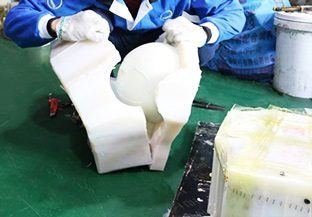 Machined master pattern with its mould halves
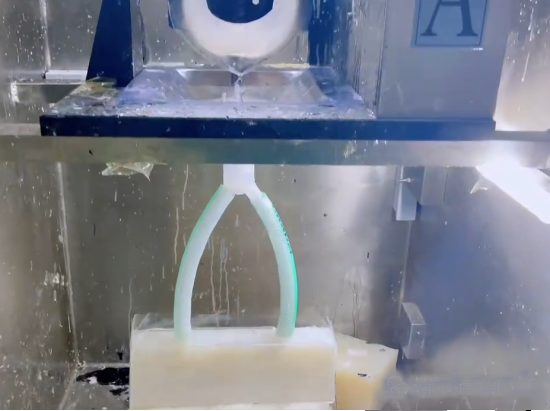 Silicone mould cured in the casting frame
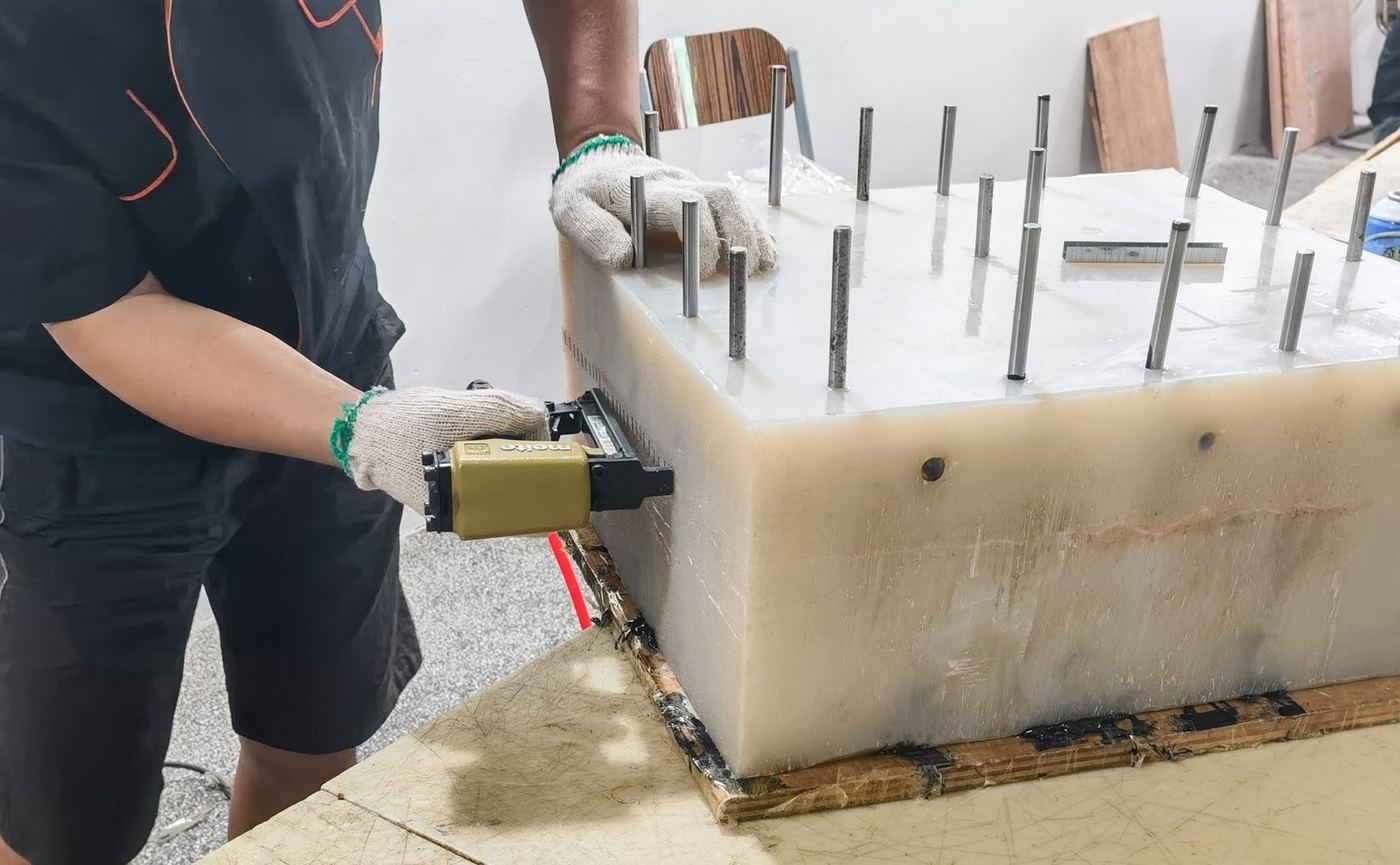 Mould prepared for vacuum pour
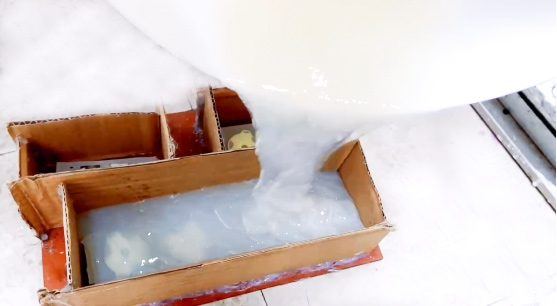 Resin poured into a mould box before cure
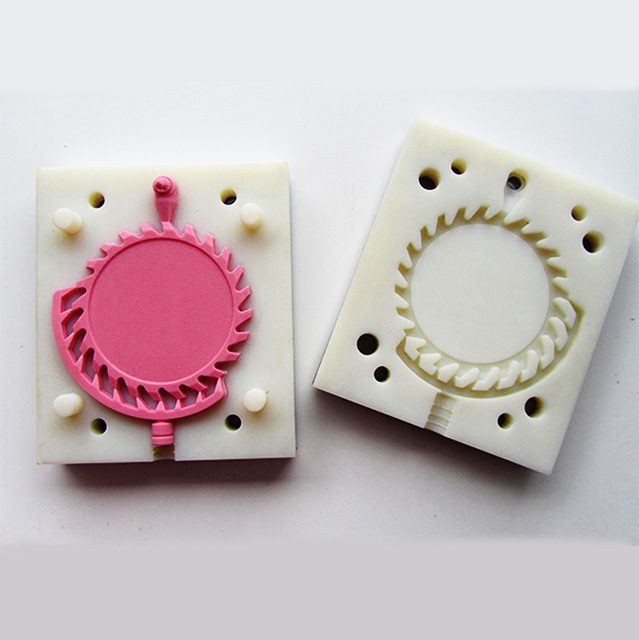 Pink master pattern inside an opened silicone mould
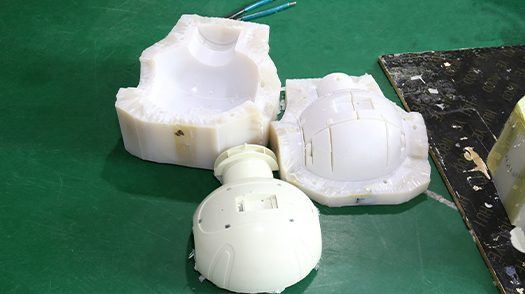 White cast shells removed from the mould
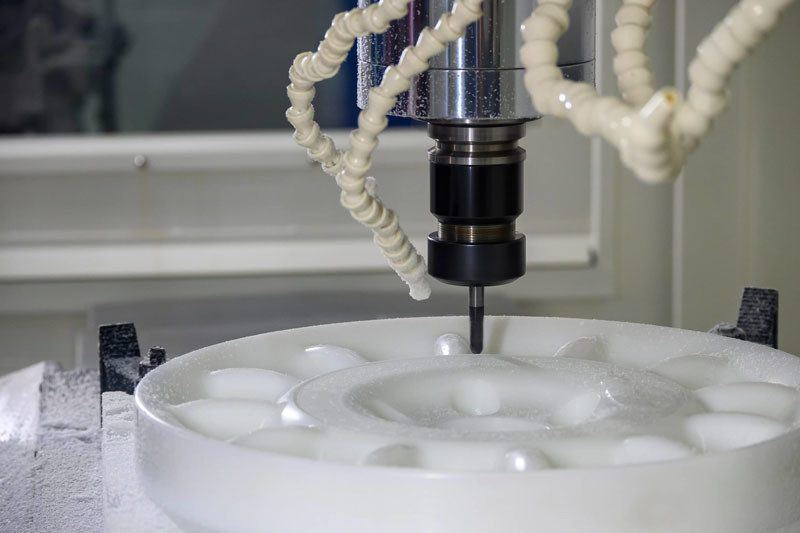 CMM-side machining of a casting mould
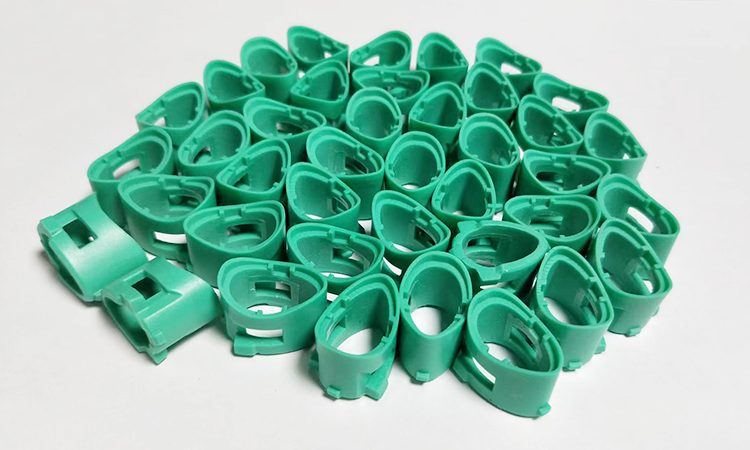 Batch of green cast plastic brackets
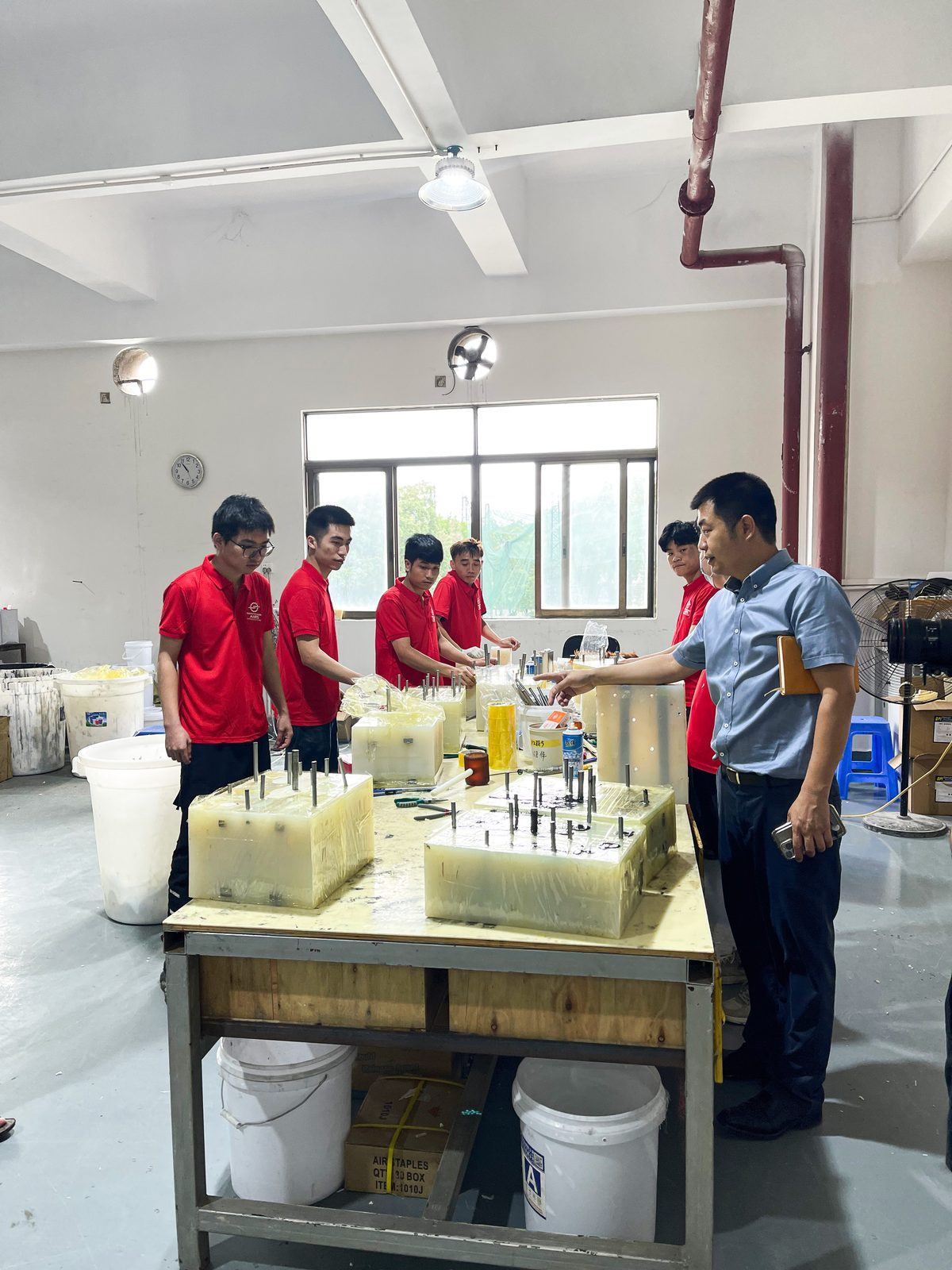 Vacuum casting workshop
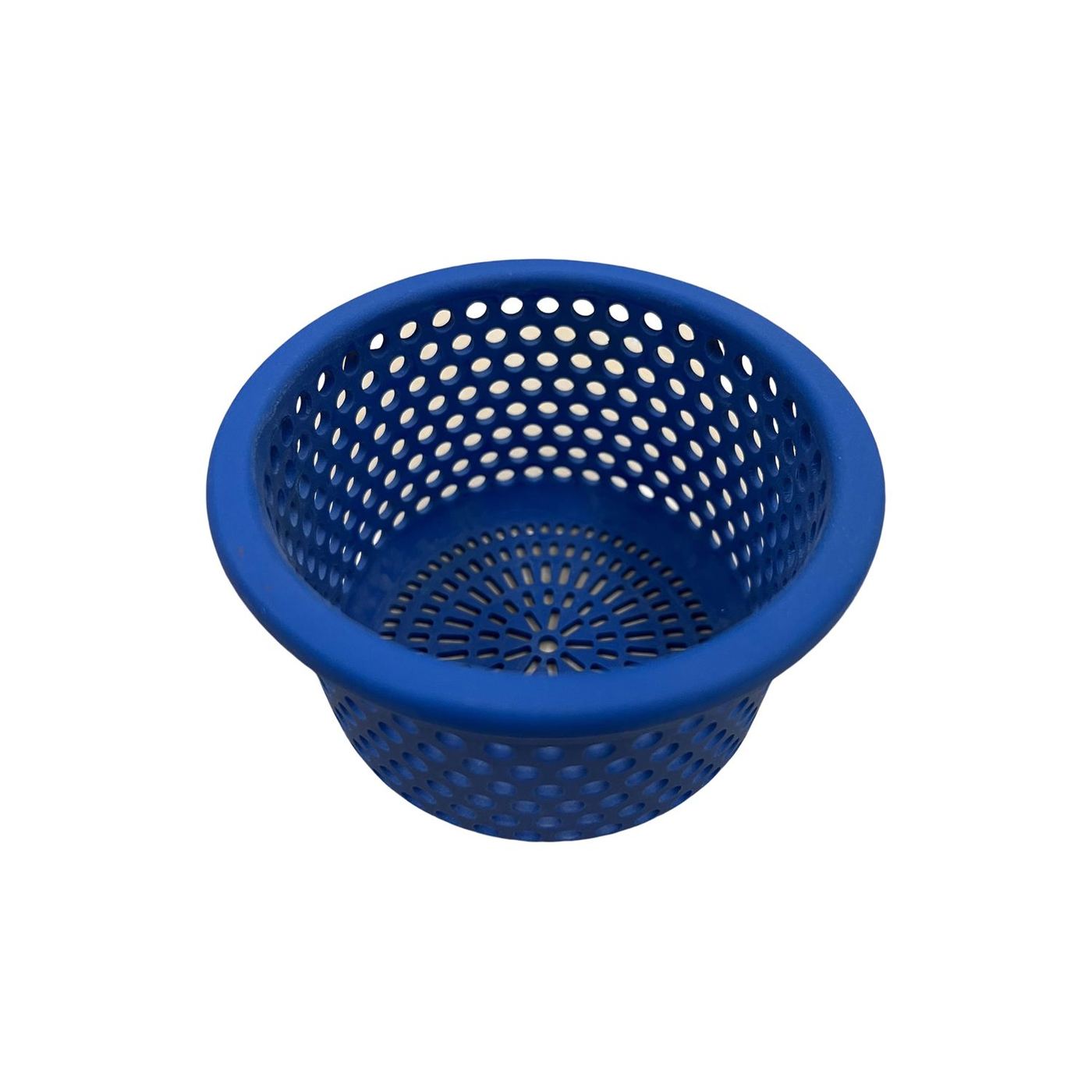 Vacuum-cast soft-resin part
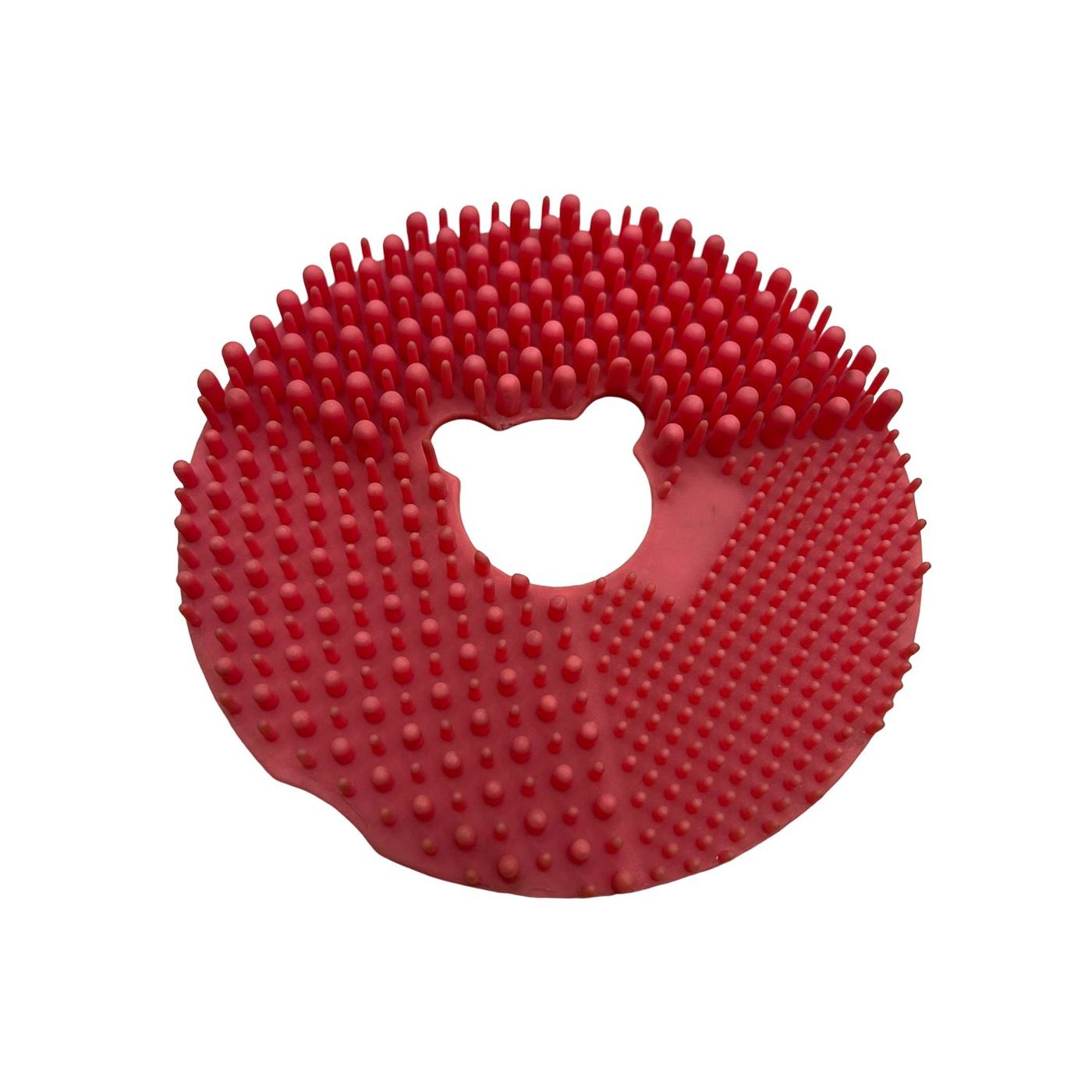 Overmoulded soft-touch component
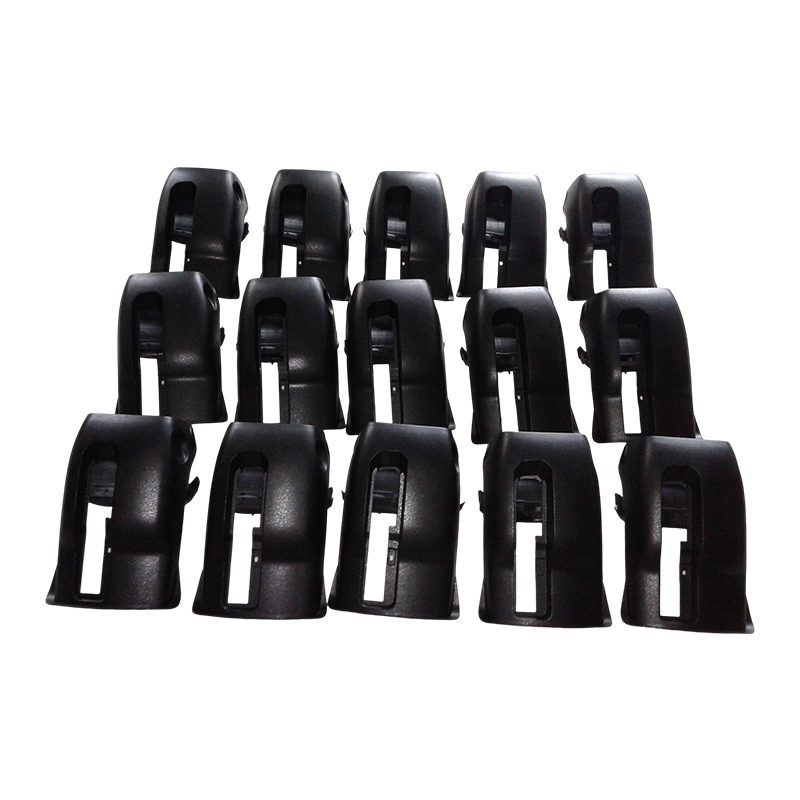 Batch of black cast housings
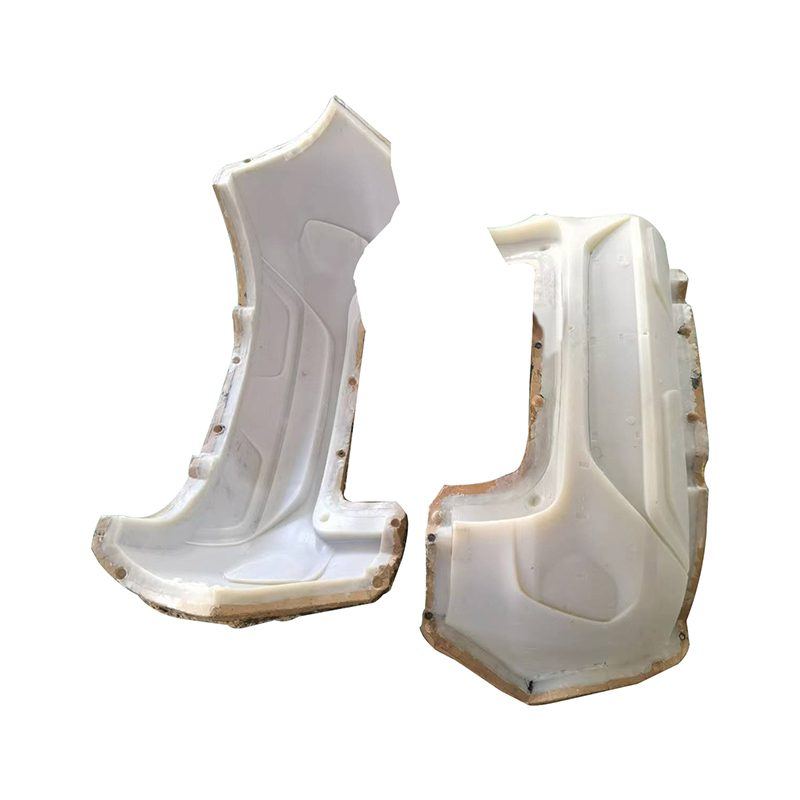 Finished cast covers after surface treatment
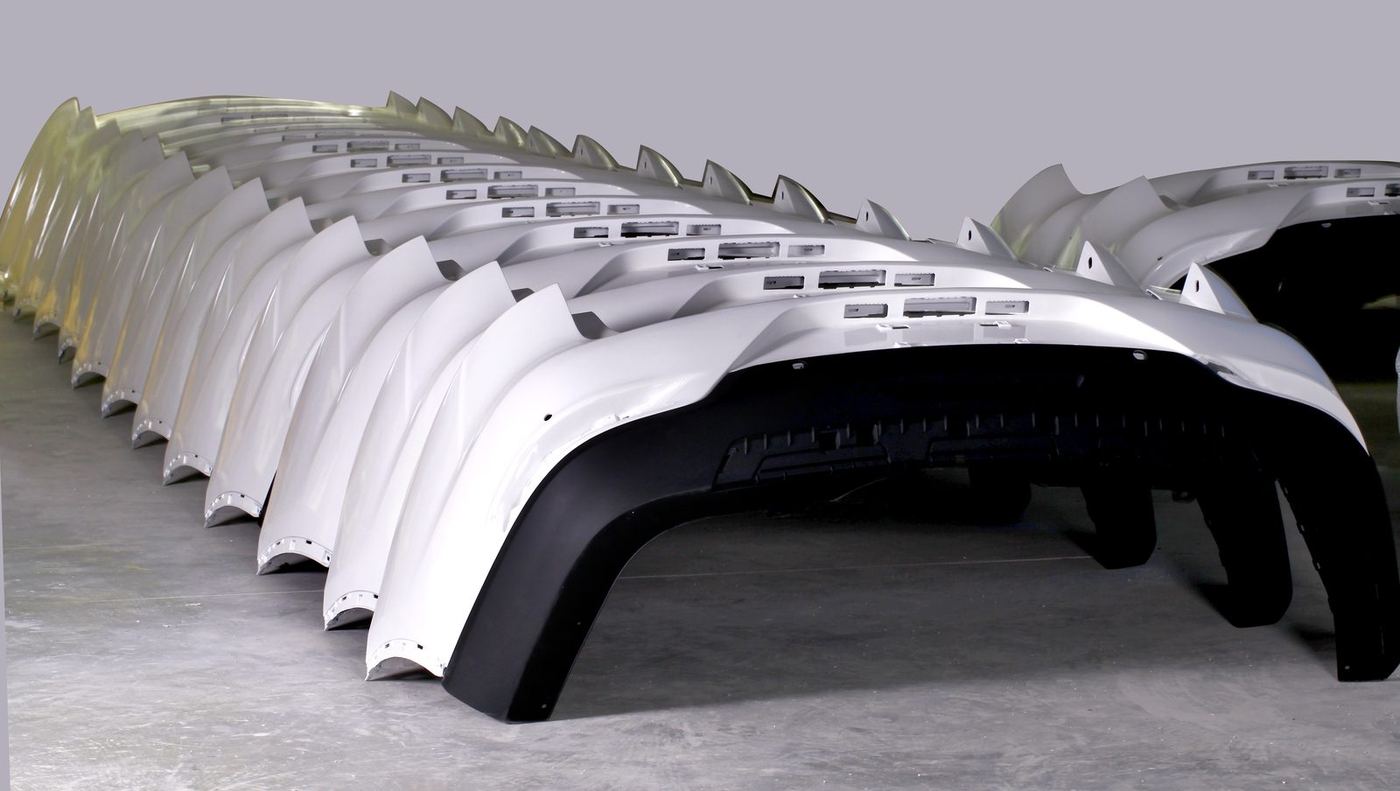 Small-batch cast body covers
How many parts can vacuum casting produce before tooling is needed?
Vacuum casting and rapid tooling bridge prototype to moulded volume, from 10 parts to a few thousand. A silicone mould has a limited copy count and is re-made from the master pattern when it is exhausted, which suits cosmetic cover batches.
Can cast covers match the production surface?
Yes. Cast parts are finished to production-grade surface quality with the treatment list on the materials page, including painting, sandblasting, polishing and silk-screen.
What is the difference between vacuum casting and RIM?
Vacuum casting pours resin into a silicone mould under vacuum and suits cosmetic parts in soft or hard resins. Reaction injection moulding covers larger enclosures and structural parts that are too big or too low-volume for conventional tooling.
Also read: vacuum casting versus injection moulding, and where the break-even sits.
Send the drawings, get a DFM view back
Rocky Chen replies with a process route, the tolerance risks we see in your data and a quotation — usually within one working day.