
3D Printing — Plastic & Metal
Print, finish and colour at the base without external hand-off, in two dedicated workshops.
Plastic 3D printing
High-precision printers delivering a print-to-colour one-stop service: parts are printed, finished and coloured at the base without external hand-off. The printer bank runs under operator control, so builds are watched rather than left unattended.
Metal 3D printing
Metal printers produce complex internal brackets, lattice structures and conformal parts that cannot be machined: no tool can reach the inside of the part.
Geometry a cutter cannot reach
Internal channels, lattices, conformal cooling. If the tool path does not exist, printing is the route.
One-off functional parts within days
A build starts from the data you send, with no fixture design in front of it.
Bridge quantities before tooling
Printed parts carry the programme through testing while rapid tooling is still being cut.
Plastic and metal printing run in dedicated workshops, so one programme can combine machined, cast and printed parts without external hand-off. Supporting processes at the base: wire cutting (EDM) for printed and machined part finishing, support removal, bead blasting and precision polishing, plus colour matching and surface sealing for display parts.
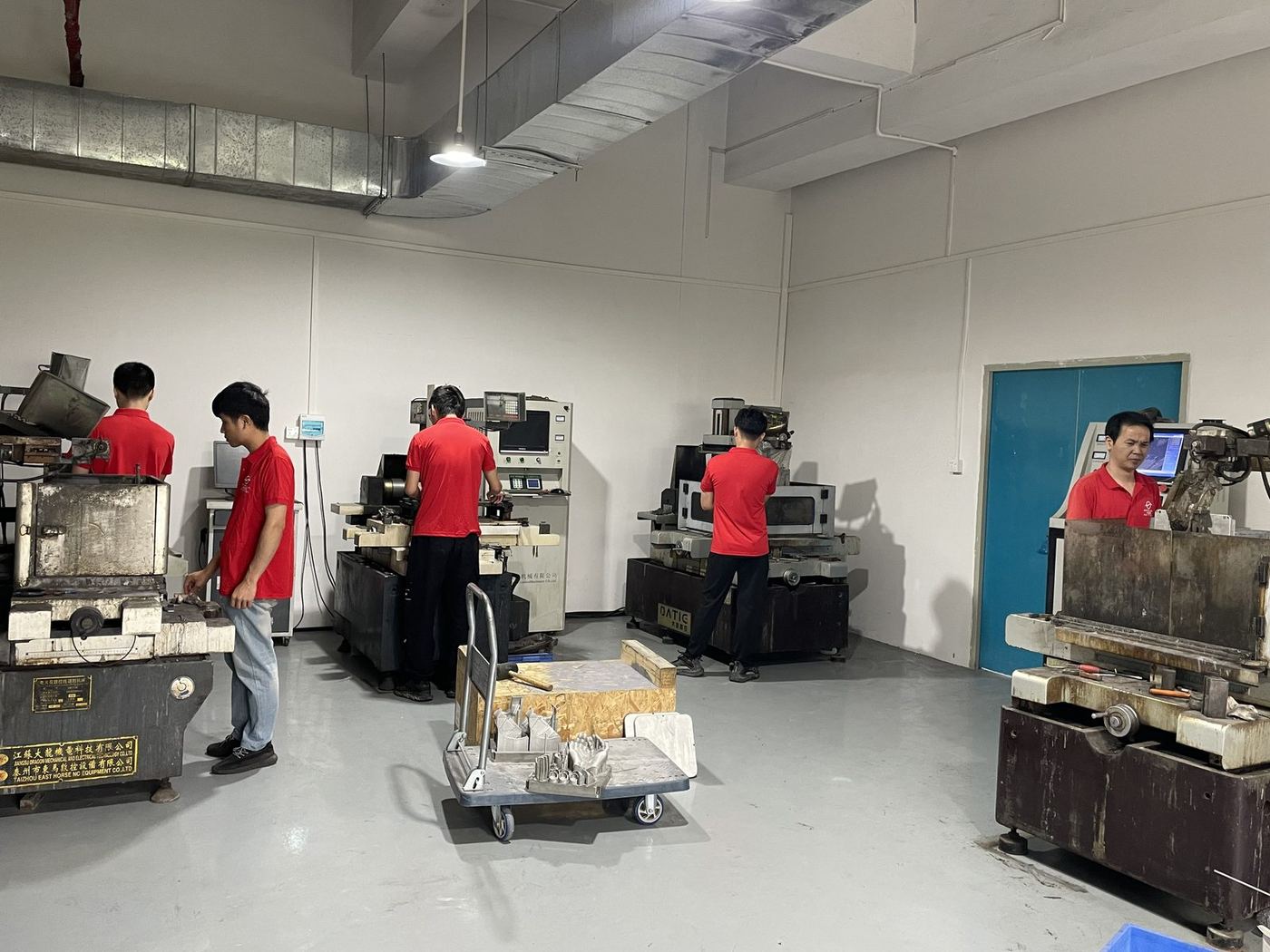 Plastic 3D printing workshop, printer bank under operator control
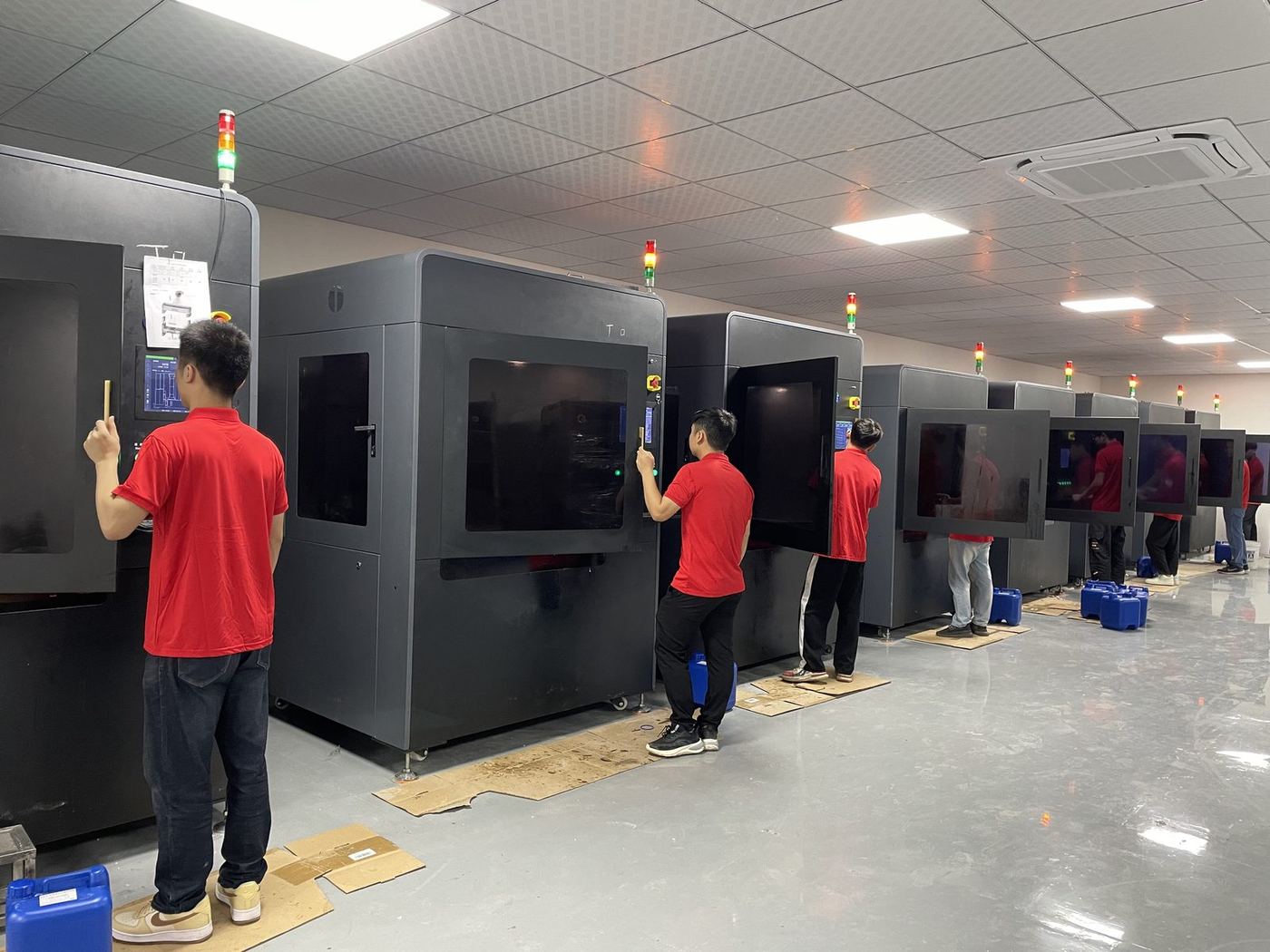 Metal 3D printing workshop
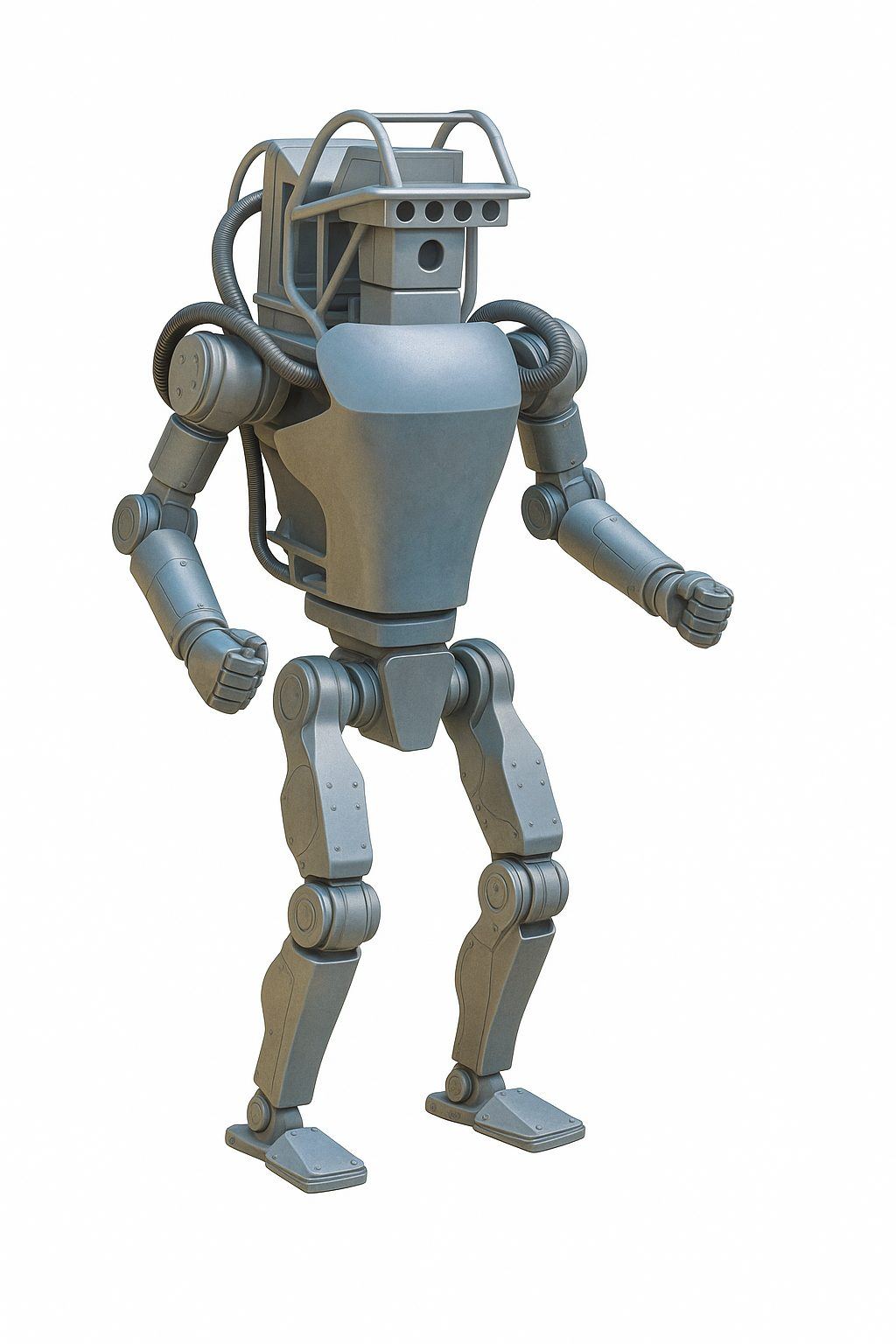 Representative render of a humanoid structural concept model
Robot figures shown as renders are representative renders of humanoid robot prototype programmes. The workshop photographs were taken at the production base.
Which plastics do you print?
ABS, PC, PA (nylon), POM, PP, acrylic and soft-touch resins, printed in a dedicated plastic workshop under operator control.
Which metals do you print?
Stainless steel, aluminium alloy and tool steel powders. Metal printing suits complex internal brackets, lattice structures and conformal parts that cannot be machined.
Is printing cheaper than machining?
For complex internal geometry and one-off functional parts, usually yes, because nothing has to be reached by a cutter. For simple aluminium parts at small quantity, CNC machining is usually the faster and cheaper route.
Send the drawings, get a DFM view back
Rocky Chen replies with a process route, the tolerance risks we see in your data and a quotation — usually within one working day.