
Rapid Tooling & Injection Moulding
Rapid aluminium moulds, trial moulds and rapid steel moulds, with injection moulding at the production base.
A rapid tool is the step between cast prototypes and production steel: it puts a real injection moulded part in front of you at a cost that makes sense for a few thousand pieces. The engineering team follows each programme from DFM to delivery, and the tool is proved on machines at the same base.
Tooling capabilities
Why T0 to T3 matters
Each trial stage is written down. When a dimension drifts you can see which trial it appeared in and what was changed to close it, instead of discovering it at the production launch.
Sink marks, weld lines and short shots are found against the mould-flow analysis, not against a customer deadline.
Where it sits in the programme
Vacuum casting carries the first tens of parts; rapid tooling carries the next few thousand while production steel is being justified. Read the break-even comparison.
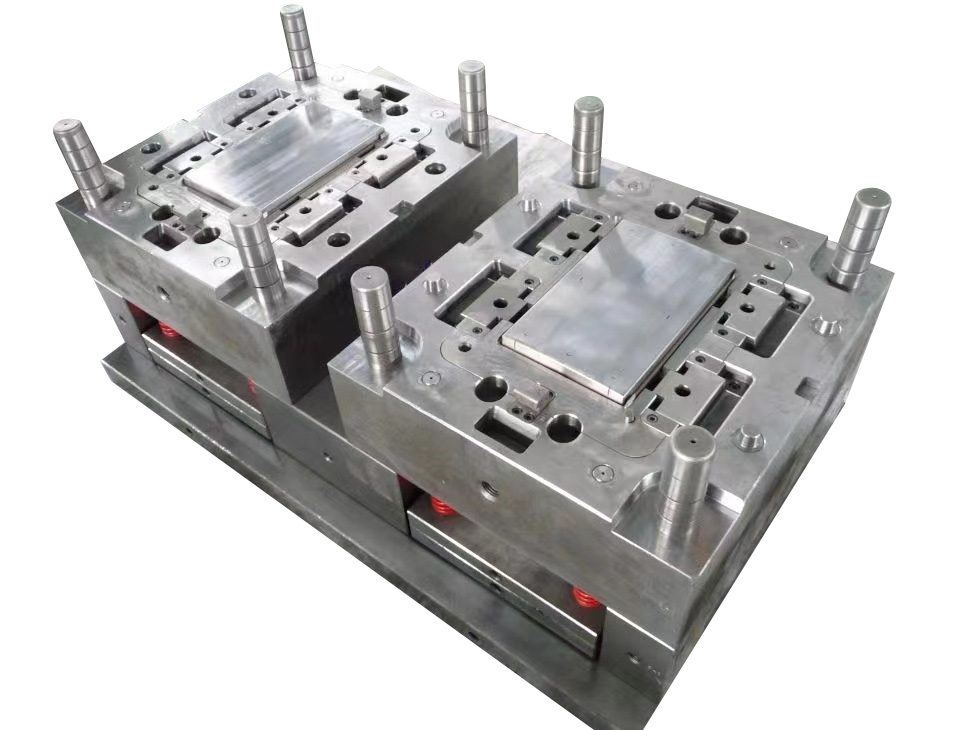 Multi-cavity rapid tool
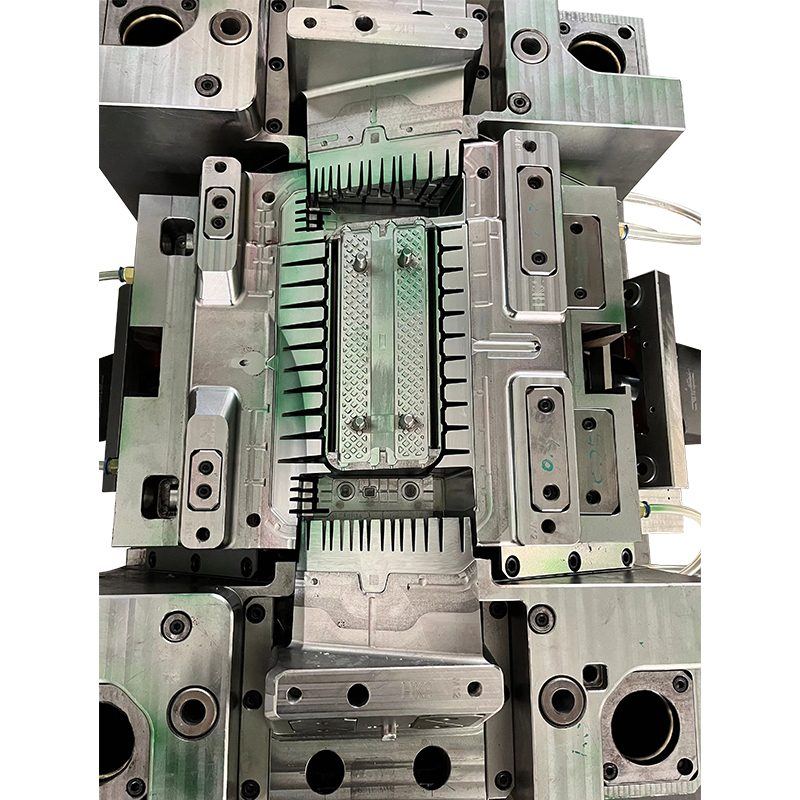 Tool stack under assembly
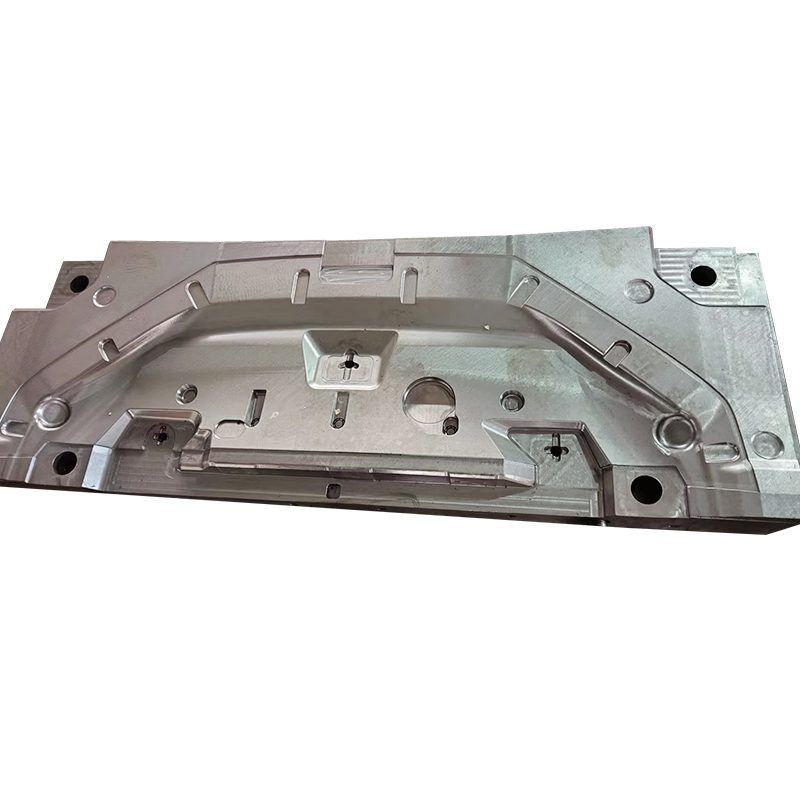 Finished tool released to production
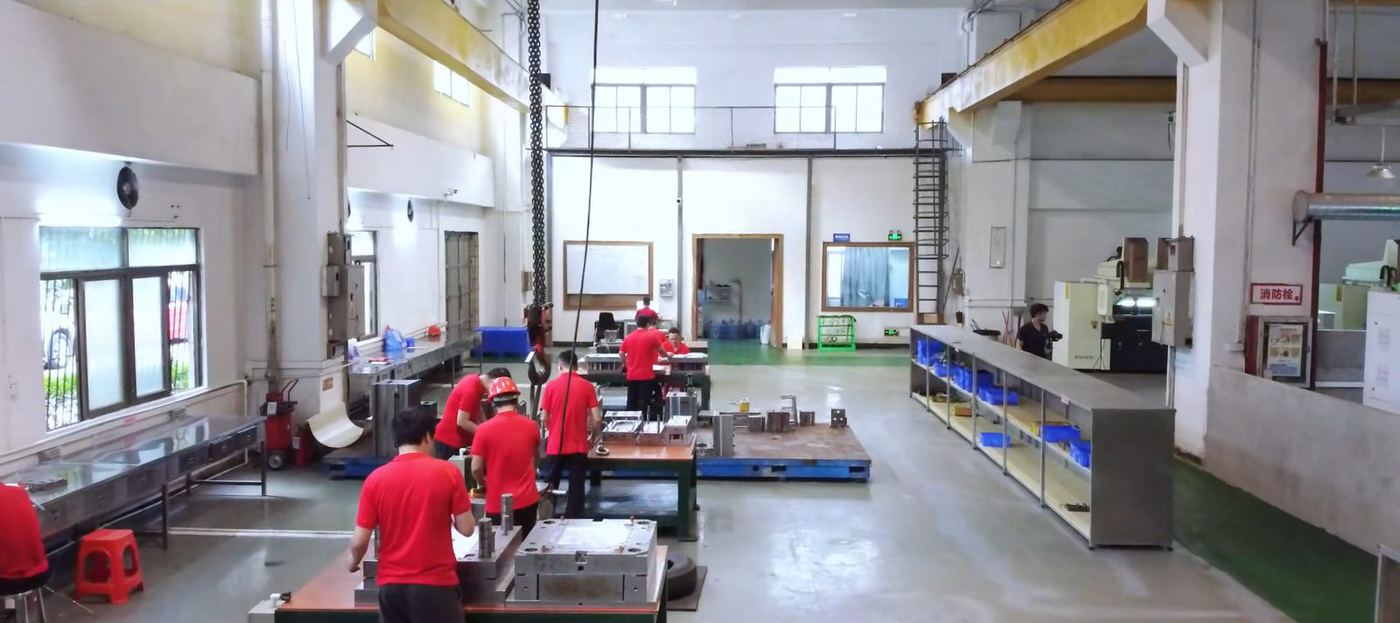 Rapid tooling workshop
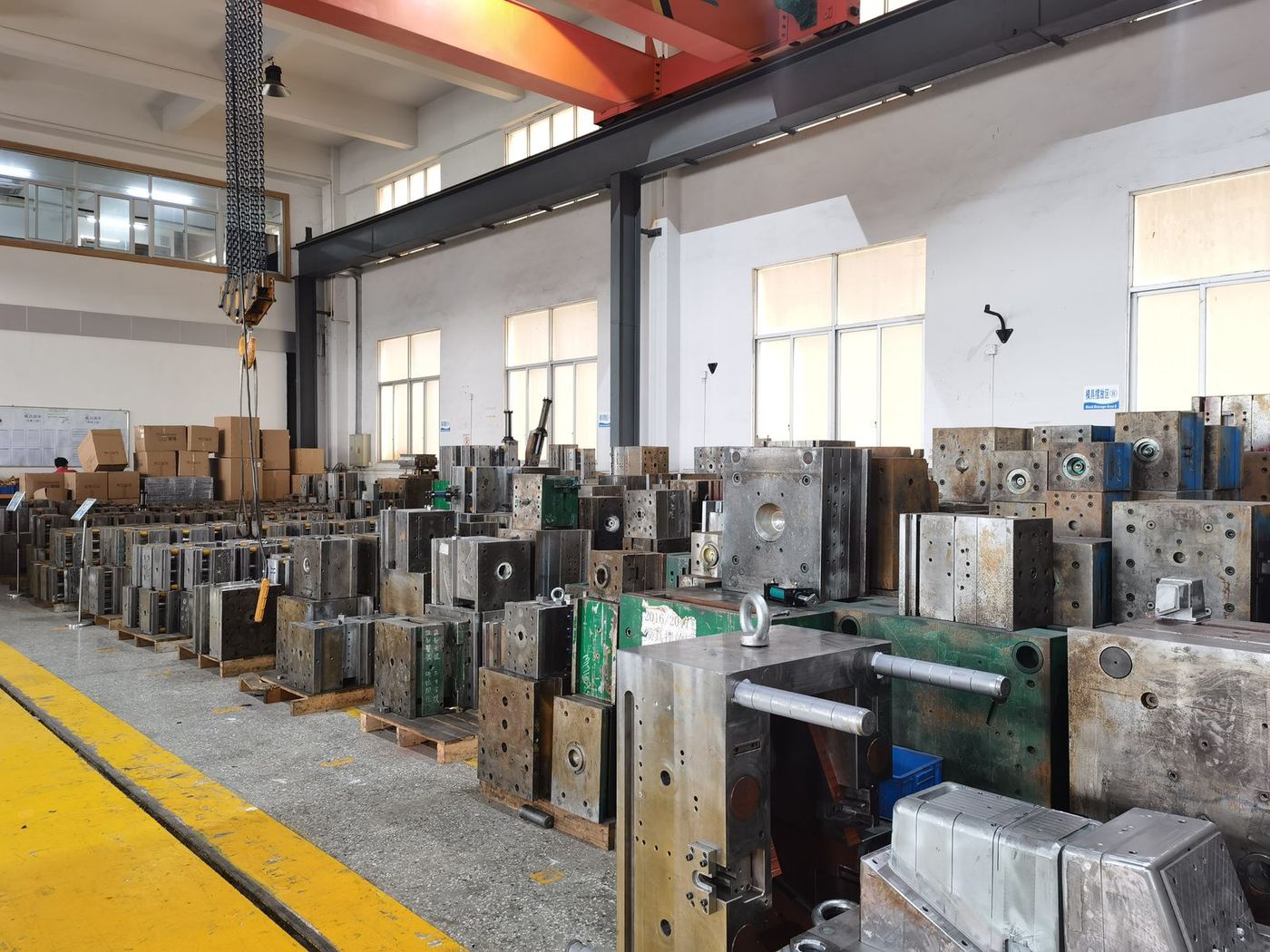 Tooling assembly floor
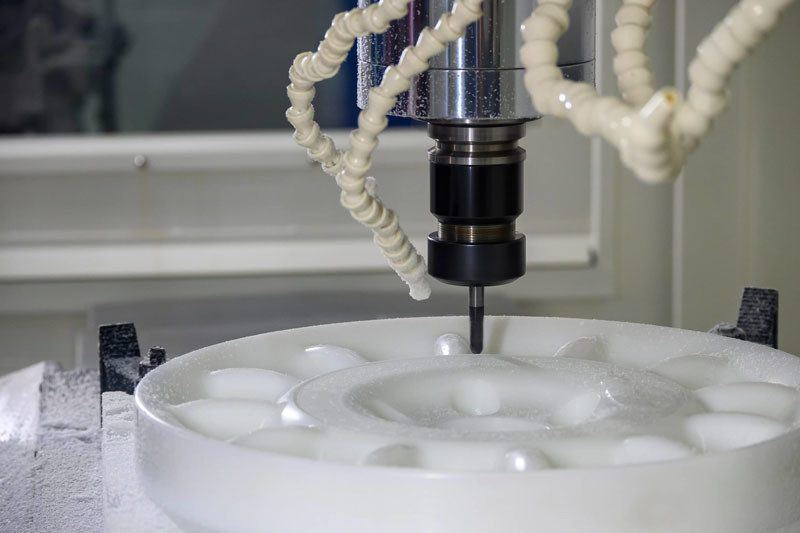 CMM-side machining of a casting mould
What kinds of tool do you build?
Rapid aluminium moulds, trial moulds and rapid steel moulds, including hot-runner and multi-cavity tooling, with optical-grade polish and textured finishes.
How are trial shots handled?
T0 produces the first sample and modification; T1 and T2 come with an improvement report; T3 is the sign-off. Each step is documented, so the tool history is auditable.
Can you mould the parts as well as build the tool?
Yes. Injection moulding runs at the production base for trial and small-batch production, so the tool is proved on the machine it will produce on.
Send the drawings, get a DFM view back
Rocky Chen replies with a process route, the tolerance risks we see in your data and a quotation — usually within one working day.