
What We Need to Quote a Robot Shell
Five items turn an enquiry into a firm number. Here is what each one is used for, and what you get back.
The fastest quotations arrive with five things attached: 3D geometry, a drawing with the tolerances that matter, a quantity, a material and finish, and a date. Missing any one of them turns the answer into a range, and a range is not useful to anybody budgeting a programme.
1. Geometry that can be measured
STEP or IGES, or native SolidWorks and Parasolid files. Volume, wall thickness, deep pockets and internal features all come out of the model, and so does the tool path that drives the cost. A picture tells us what you want the part to look like; the model tells us how long the machine needs.
If no data exists yet, a physical sample works. It can be scanned and rebuilt, and that reverse work is quoted as its own line so you can see what the geometry costs before the part does.
2. The tolerances that actually matter
Drawings arrive with a title block tolerance applied to everything, and that is where a quotation goes wrong. Positional held to 0.02 mm and precision bores to 0.01 mm are achievable here, but every tight dimension buys inspection time and sometimes a fixture. Tell us which three dimensions the assembly depends on and leave the rest loose, and the number comes down.
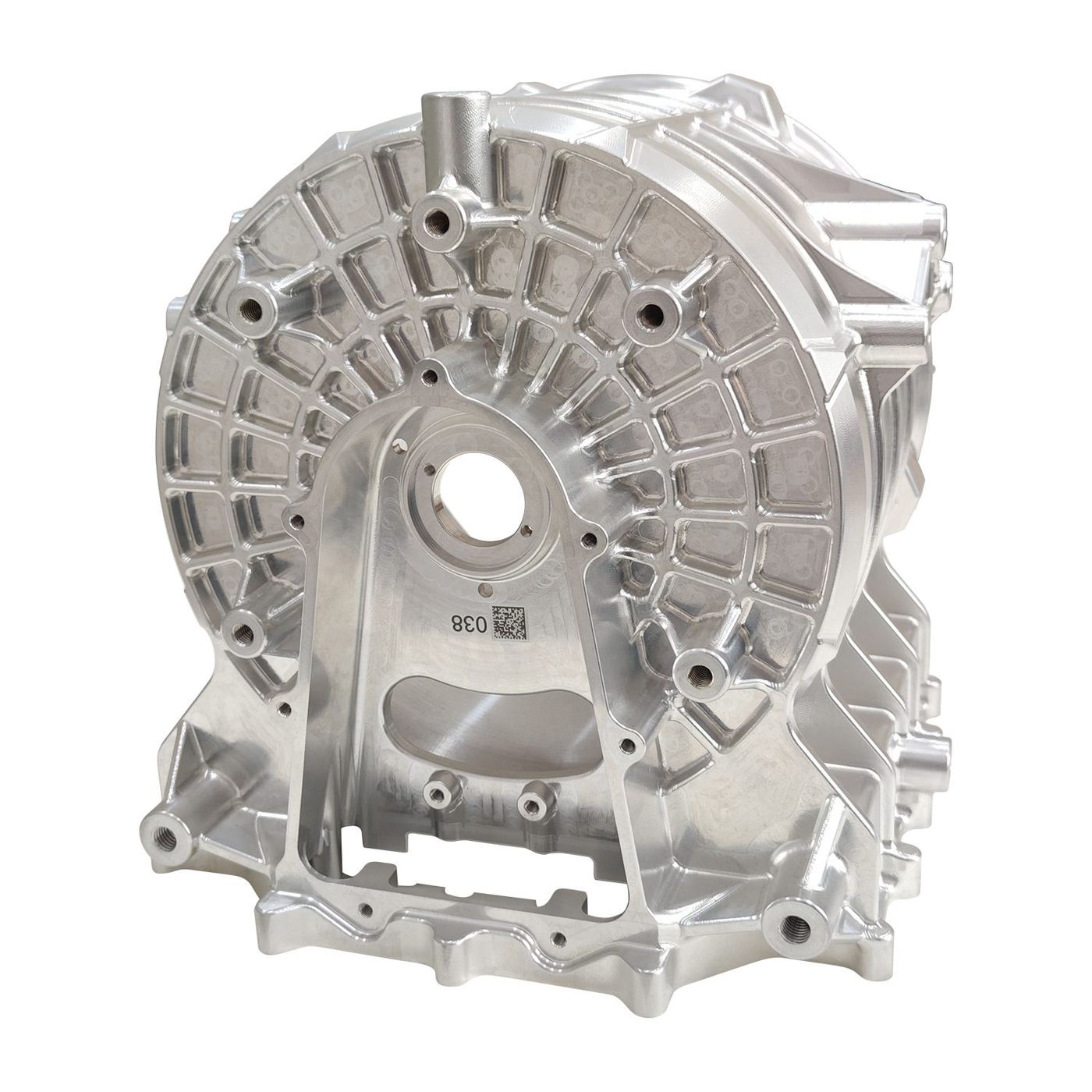 Machined aluminium housing held to 0.02 mm positional tolerance
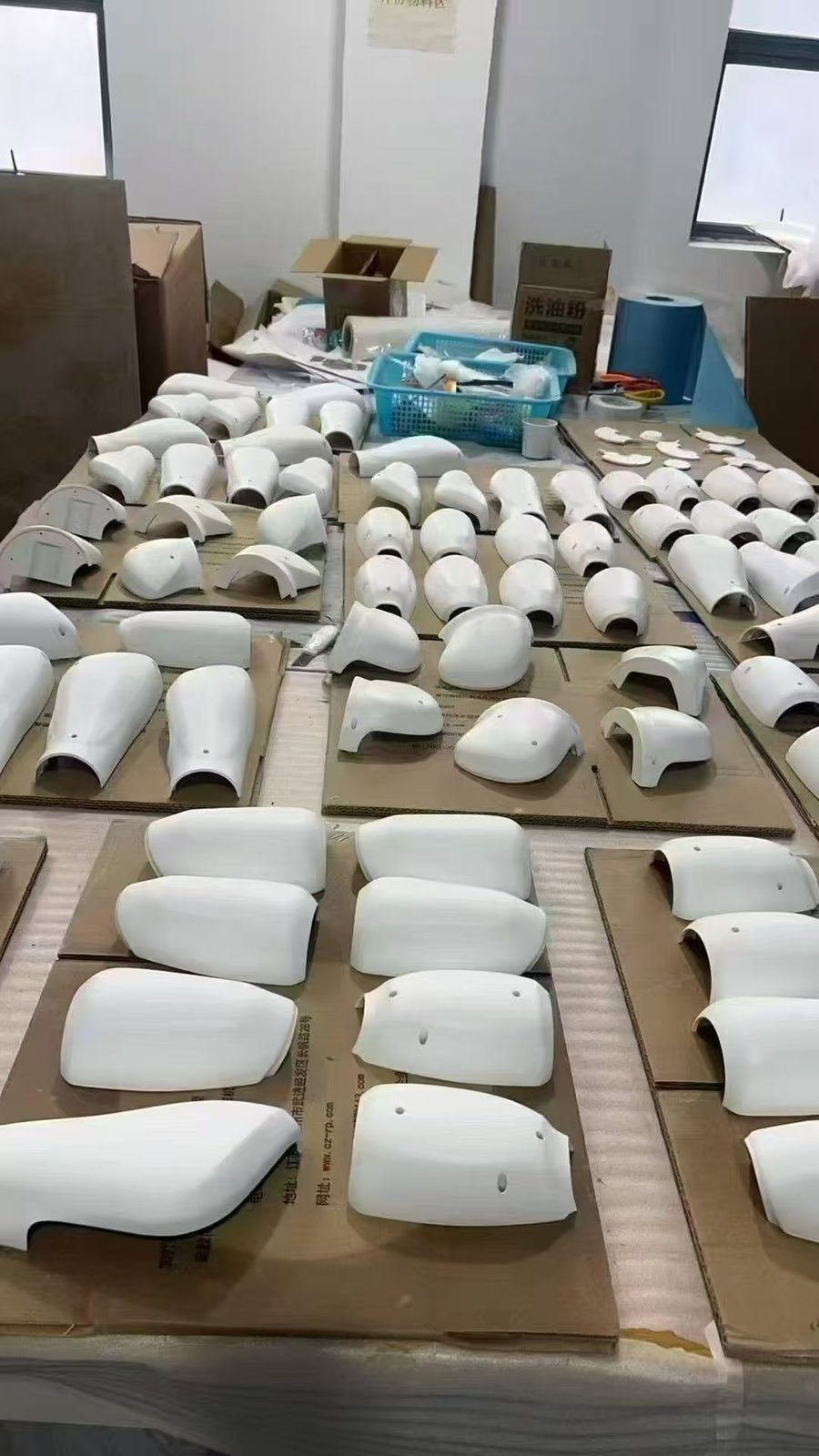 Small-batch cover production staged for inspection
3. Quantity, including the honest one
One part, twenty, three hundred. Quantity decides the process, not just the price: it is the difference between machining a cover and cutting a mould for it. If you do not know yet, say what you expect for the year and we will quote the two bands that make sense instead of guessing one.
4. Material and the finish it must take
Engineering plastics (ABS, acrylic, PC, PA, silicone, POM, PP, PE, PVC, soft rubber, bakelite, PTFE, and special grades such as PA plus carbon fibre), machining metals (stainless 304 / 303 / 410, 45 steel, carbon and alloy steel, aluminium 7075 / 6061 / 5053, brass) and sheet grades (SPCC, SGCC, SECC, SUS 201 to 430, AL 5052 to 6061). Then the surface: anodising or hard anodising, plating or chrome, sandblasting, painting and baking finish, polishing or brush finishing, black oxide, powder coating, silk-screen, laser marking, water transfer, heat treatment and threaded inserts.
Cosmetic covers need a colour reference. Send the sample or the Pantone and it gets matched at the base.
5. A date, and what happens if it slips
Prototype dates move. Two-shift 24-hour operation is managed here, so a compressed schedule is usually a question of which process gets the machine first. Tell us the review date and we will work backwards from it, including which stage can be shortened and which cannot.
What comes back
Questions buyers ask
Can you quote from a sketch?
A sketch or photograph can get you a process route and a rough shape of the cost, but not a firm number. A firm quotation needs geometry that can be measured, because machining time and fixture design come out of the model.
What file formats do you take?
STEP, IGES or native Parasolid and SolidWorks files for 3D, plus PDF or DWG 2D drawings with the tolerances that matter called out. A physical sample can be scanned and reverse-engineered where no data exists.
How fast does a quotation come back?
A DFM view, a process route and a quotation usually come back within one working day, provided the data is complete and the quantity and target date are stated.
Send the drawings, get a DFM view back
Rocky Chen replies with a process route, the tolerance risks we see in your data and a quotation — usually within one working day.